A burst pipe, a storm flood, a sewage backup, or a failed appliance can change a Texas home in minutes. This guide walks you through the first day, hour by hour, so you protect people first, stop the water, and give extraction crews and your insurer exactly what they need.
The first day after water damage is not one long task. It is a sequence, and the order matters. Safety and stopping the source come before cleaning. Extraction comes before drying. Documentation comes before demolition. The timeline below follows that order, with the Texas details that change how each step plays out in a real home here.
Start with people, not property. Get everyone, including children and pets, out of standing water and away from any room where water is running through light fixtures, down walls near outlets, or toward the breaker panel. If the breaker panel itself is wet, do not touch it and do not walk through the water to reach it. If you smell gas, hear hissing near a gas appliance, or see a damaged gas line, leave the home and call emergency services from outside. Only when the scene is safe should you turn your attention to the water itself.
Next, stop the source if the water is coming from inside the home. For a burst pipe, a failed supply line, or a leaking water heater, close the main water shutoff valve. For a single appliance, close that appliance valve instead if you can reach it safely, and unplug the appliance only if the outlet and floor around it are dry. For a toilet overflow, close the valve behind the toilet. Do not spend the first hour hunting for a valve while water is pouring: if you cannot find it quickly, call (866) 316-5715 and a dispatcher can talk you through likely locations while a crew is on its way. Once the main valve is closed, open cold-water faucets at the lowest level of the home to drain pressure from the lines.
Still in that first hour, make the extraction call and take your first photographs. Photograph the rooms exactly as you found them, the source if it is visible, water lines on walls, and any belongings already affected. A short walk-through video, narrated room by room, is worth more than a dozen close-ups with no context. These first images are the baseline your insurer will compare everything else against, and you cannot recreate them once cleaning begins.
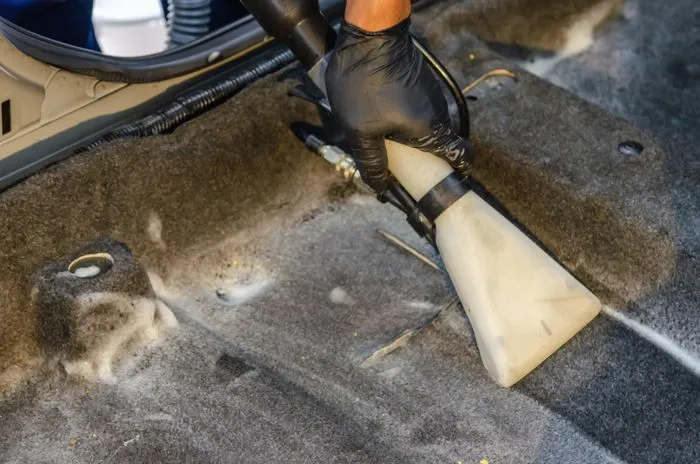
Hours one to six are when professional extraction should be happening, or at least firmly arranged. A crew with truck-mounted extractors and submersible pumps can remove in minutes what mops and buckets cannot remove in a day, and that speed matters because water does not sit still. It wicks upward into drywall, spreads sideways under flooring, and follows gravity through floors and light fixtures into the rooms below. In a Texas slab-on-grade home, where there is no basement to catch it, water races across tile and wood floors and into wall bases, baseboards, and the bottom of every interior wall it reaches.
While the crew works, contain what you can without getting in their way. Roll towels at doorways to slow water moving into dry rooms, move small valuables and electronics to dry ground or an upper floor, and clear a path from the driveway to the affected rooms. If an upstairs pipe or attic line has burst, check the rooms below even if they look dry: water pooling on a ceiling can hide above drywall until the ceiling sags or collapses. A bulging or sagging ceiling is holding pooled water, so keep everyone out from under it and do not puncture it yourself. A controlled release is a technician decision, and an uncontrolled one can drop waterlogged drywall, insulation, and debris on anyone standing below.
This is also when you contact your insurer or agent, if your policy requires prompt notice. Give the date and time you discovered the damage, the source as far as you know it, the rooms affected, and the extraction company you have called. Keep a simple written log from this point on: who you spoke to, when, and what was agreed. That log, plus your photographs, becomes the backbone of the claim. Do not agree to tear out walls, flooring, or cabinets in these hours unless a technician or adjuster directs it, because premature demolition can complicate a claim and can push trapped water into areas that were still dry.
By hours six to twenty-four, standing water should be gone and structural drying should be under way: industrial air movers creating airflow across wet surfaces, commercial dehumidifiers pulling moisture from the air, and moisture meters mapping where water travelled inside walls, under flooring, and into framing. Surfaces may feel dry long before the structure is dry, so drying ends when meter readings reach their dry standard, not when a wall feels dry to the touch. Ask the crew what they measured, where, and what the readings were, and keep any drying log they provide.
Keep documenting through this window. Photograph rooms again after extraction, photograph each damaged item before it is moved or discarded, and start the written inventory described later in this guide. Keep receipts for every emergency purchase, from towels and fans to a hotel stay if the home is uninhabitable, and keep them in one folder, physical or digital, with your photographs. If the home is not safe to sleep in — no power to affected areas, contaminated water, a compromised ceiling, or no working bathroom — arrange somewhere else to stay and tell your insurer, rather than trying to camp in a drying house with equipment running through the night.
Watch the house during this window, too. New stains can appear on a ceiling below an attic leak hours after the first flood, a wall that looked fine in the morning can show a water line by evening as wicking continues, and a musty smell developing in a warm Texas home is an early warning that moisture is still present somewhere. Report anything new to the crew promptly. The first twenty-four hours are not the end of the job, but they decide whether the rest of the job is drying or demolition, and that decision is made by how fast water came out and how thoroughly moisture was mapped.
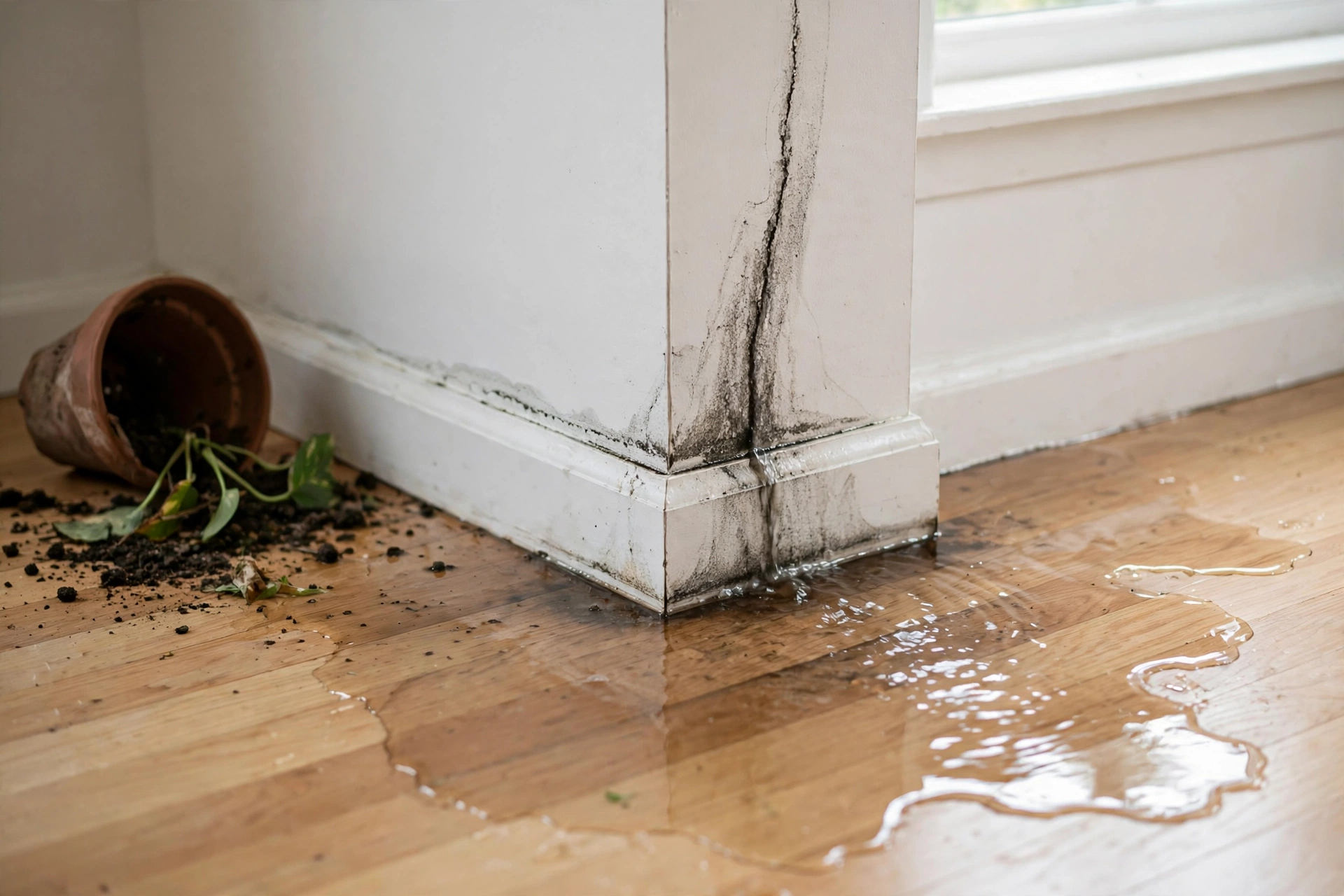
Every other decision in the first 24 hours depends on this one: is it safe to be in the water? Three hazards decide that question, and Texas homes present all three in distinctive ways.
Water and electricity are a lethal combination, and the danger is not always obvious. Water running through a ceiling light fixture, down a wall that holds outlets, or across a floor toward an appliance can energize the water itself. Never stand in floodwater while touching electrical equipment, never reach into water to unplug something, and never use a standard household vacuum on standing water. If the breaker panel is dry and safely reachable, cut power to the affected rooms. If the panel is wet, if water is pooled around it, or if you are unsure, stay clear and wait for a professional. The same rule applies in a garage, where Texas water heaters, washers, and breaker panels often share a wall: a wet garage floor near a panel is a no-entry zone until it has been assessed.
Not all floodwater is the same. Clean water from a pressurized supply line is one thing; water from a sewage backup, a storm flood that has crossed yards and streets, or a leak that has sat long enough to pick up contamination is another. Sewage water carries bacteria and pathogens and must be treated as hazardous: keep children and pets completely away, do not try to clean it with household products, and do not move contaminated belongings into clean rooms. Storm floodwater in Texas is equally suspect, because Gulf Coast and Central Texas storms push water across roads, lawns, septic systems, and drainage channels before it enters a home, and that water can carry fuel, chemicals, and sewage along with it. Even clean water becomes less safe as it sits, picking up dirt, dust, and microbes from building materials. Until a technician classifies the water, treat every flooded room as contaminated, wear boots and gloves if you must enter, wash hands and any skin that contacts the water, and keep cuts and scrapes covered and away from the water entirely.
Texas construction creates a specific structural risk: attic-mounted water heaters and attic supply lines, standard in subdivisions across the state, sit directly above living spaces. When an attic line bursts, water saturates insulation and pools on the drywall ceiling below. That ceiling can hold a surprising amount of water before it fails, and when it fails it fails suddenly, dropping water, insulation, and drywall at once. A ceiling that is bowing, sagging, bulging, or showing a spreading stain is a warning sign, not a curiosity: keep furniture and people out from under it, do not poke or puncture it to drain it, and tell the extraction crew immediately. Soaked walls carry a quieter risk. Drywall loses strength as it saturates, heavy wall-mounted items can pull free, and saturated flooring can become slippery or unstable underfoot. If a floor feels spongy, if a wall is visibly bowing, or if a door frame has swollen shut, treat that area as off-limits until it has been inspected. In older Texas homes, add one more caution: do not disturb old insulation, ceiling texture, or wall materials more than necessary until a professional has seen them, because unnecessary demolition spreads both water and dust into rooms that were still clean.

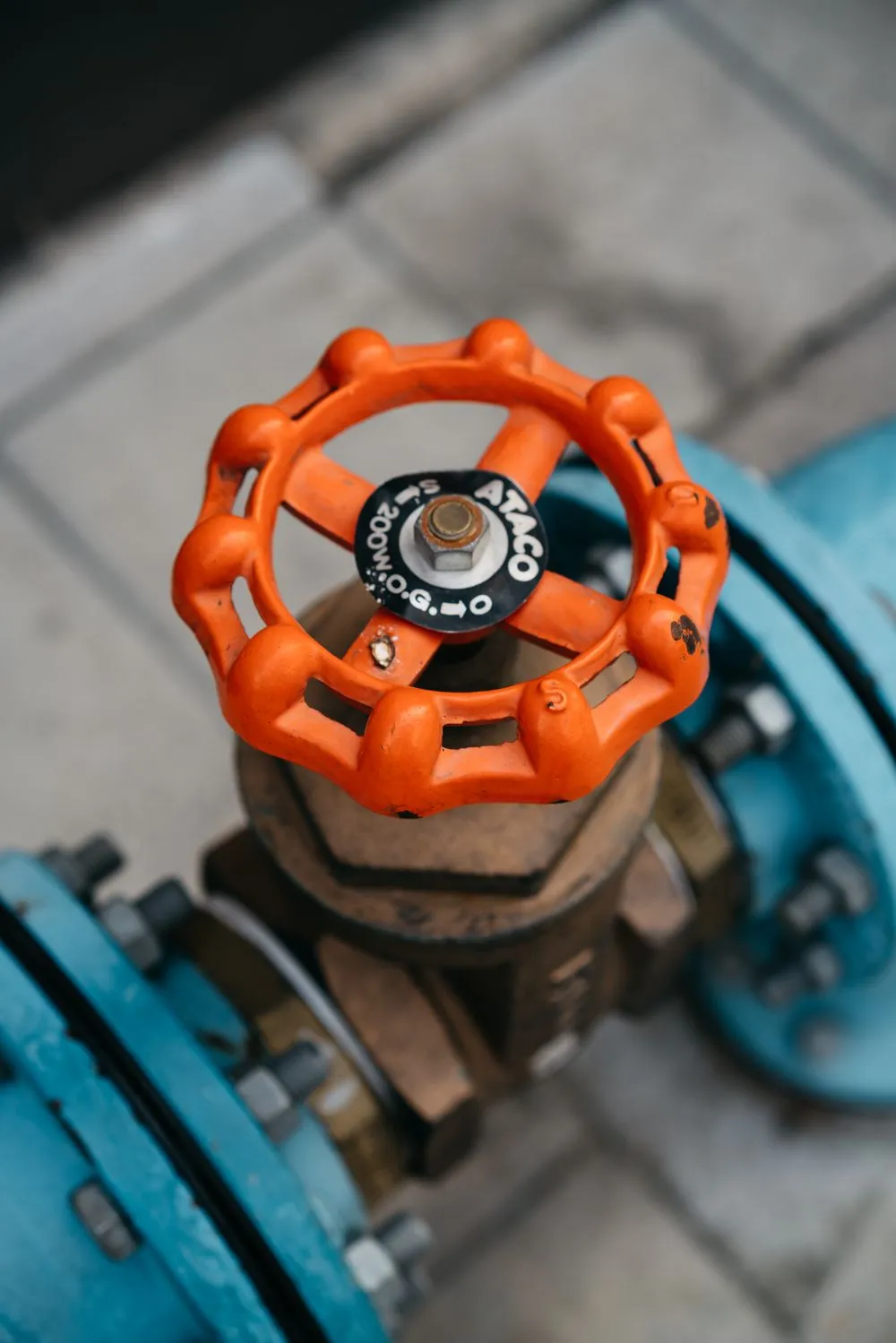
The main shutoff valve is the single most important piece of plumbing knowledge in a Texas home. Closing it stops a burst pipe or failed supply line at its source.
Find yours before an emergency, label it, and show every adult in the household. In a flood, minutes at the valve are rooms saved downstream.
For water coming from inside the home, the shutoff is your first move after safety. The main valve is most often near the street water meter in a ground box at the property line, in the garage where the line enters the home, or in a utility closet. Some Texas homes also have a shutoff at the water heater and individual shutoffs at each fixture. Turn the wheel or lever fully closed, then open cold-water faucets at the lowest level to drain pressure from the lines and direct remaining water out through fixtures rather than through the break. If the valve is stuck, corroded, or will not turn, do not force it until it breaks: note its location, call for help, and move on to containment and documentation while the crew is on its way.
Appliance valves are the exception that proves the rule. A washing machine, dishwasher, refrigerator ice-maker line, or water heater each has its own supply valve, and closing that one valve stops that one leak without shutting off water to the whole home. A washing machine supply hose failure is one of the most common Texas appliance floods, and the valves behind the machine are often hidden by the machine itself — another reason to locate them in advance and to leave enough clearance to reach them. For a water heater, close the cold-water inlet valve on top of the unit, and if the unit is gas, do not touch gas controls unless you know exactly what you are doing and the area is dry and safe. For a toilet, the valve behind the base stops an overflowing toilet at once, and lifting the tank lid to check whether the fill valve is the problem is safe only when there is no electrical hazard and no sewage involved.
Storm and flood water cannot be shut off at a valve, and pretending otherwise wastes the first hour. If water is entering from outside — through doors, low windows, garage doors, or rising ground — the priorities change completely. Do not try to sandbag a rising flood alone, do not drive through flooded streets, and do not enter a flooded garage where the breaker panel and water heater may be submerged. Move people, pets, and valuables to higher ground inside the home or leave the home if local authorities advise it, and wait for the water to recede before extraction begins. Crews cannot extract water that is still flowing in, and any attempt to pump while floodwater is still entering only recirculates the problem. Once the outside water has stopped rising and it is safe to re-enter, the same sequence resumes: safety check, documentation, extraction call, and drying.

Professional extraction removes standing water and the hidden water inside walls and flooring. The more precisely you describe the scene, the faster the right crew and equipment reach you.
Call once the scene is safe and the source is stopped or identified — and call early, because the queue for crews fills fastest during freezes and storms.
Call (866) 316-5715 as soon as the scene is safe and you know, or can describe, the source. Dispatch does not need a perfect diagnosis; it needs a clear picture. Start with your address and a callback number, then the source as you understand it: burst pipe, storm flood, sewage backup, water heater failure, washing machine hose, or unknown. Say whether the water has stopped or is still flowing, whether the main valve is closed, and how many rooms are affected. Mention the depth if you can estimate it — a thin sheet across tile is a different job from several inches across carpet — and mention whether water is coming through a ceiling, because an attic or upstairs source means the crew must check the rooms below as well.
Five details consistently speed up a response, and all five are worth gathering before or during the call. First, access: gate codes, locked side gates, pets that need securing, and where the crew should park so truck-mounted equipment can reach the home. Second, power: whether power is on in the affected rooms, whether the breaker panel is wet, and whether you have cut power to those rooms. Third, contamination: any sewage smell, any toilet or drain involvement, any storm water that crossed streets or yards, and whether anyone has been in contact with the water. Fourth, construction details that matter in Texas: slab-on-grade or pier-and-beam, attic water heater or garage water heater, wood flooring or carpet, and whether the affected rooms are upstairs or downstairs. Fifth, insurance: whether you have already contacted your insurer, and whether an adjuster visit is already scheduled, so the crew can coordinate documentation with that visit rather than working at cross purposes.
While you wait, do the small things that make a crew faster on arrival. Clear a path from the driveway to the affected rooms, move vehicles so equipment can get close, unlock gates, secure pets in a dry room or with a neighbor, and turn on lights if it is dark and safe to do so. Keep your phone charged and nearby, because dispatch or the crew may call back with questions about access or conditions. If conditions change while you wait — a ceiling starts to sag, water reaches a new room, a smell of sewage develops — call back and update dispatch rather than waiting for the crew to discover it. During Texas freeze events and Gulf Coast storms, when many homes flood at once, clear information is what moves a job up the queue: crews triage by severity, by whether water is still flowing, and by whether the scene is safe to work in.

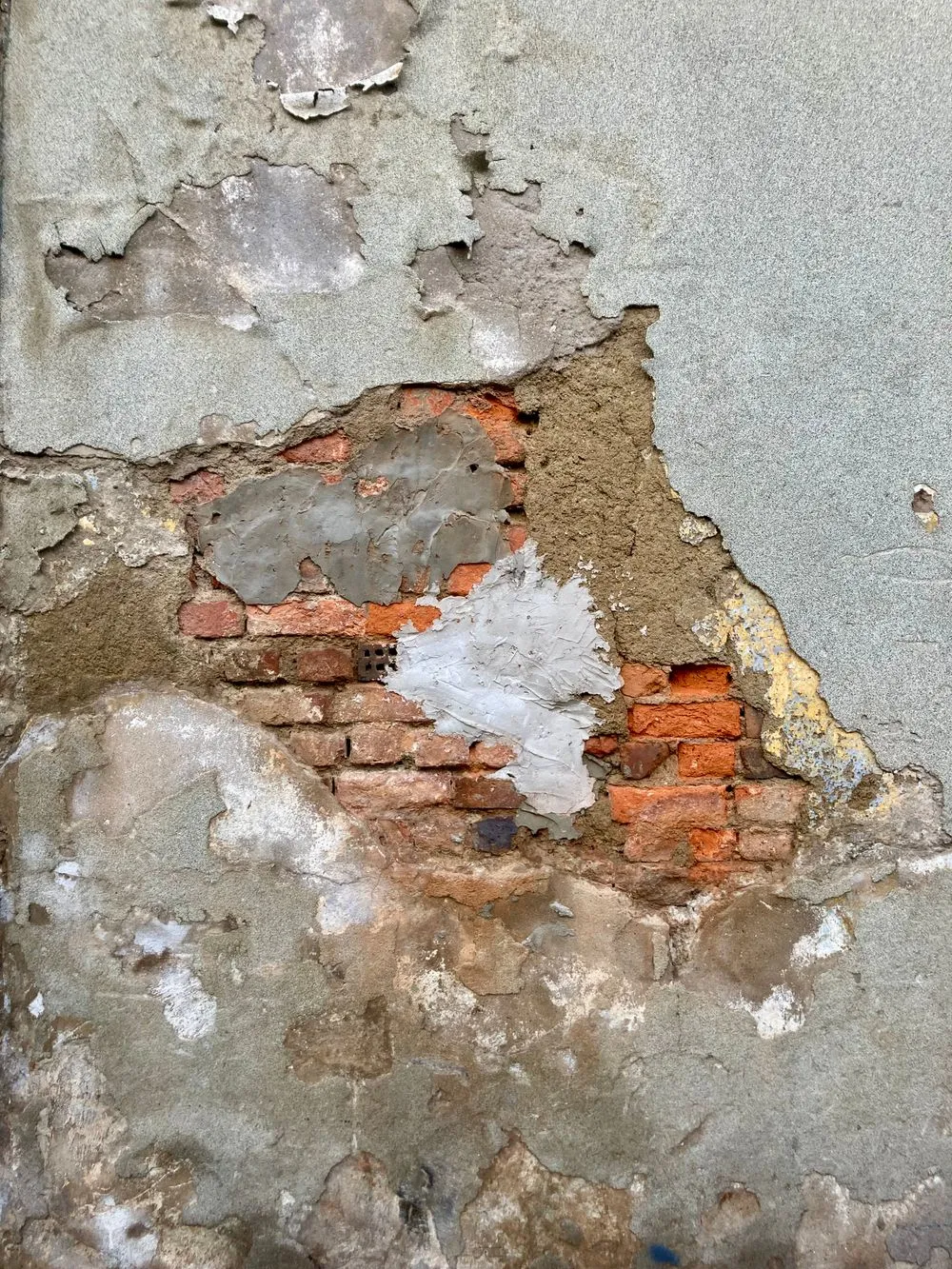
Damage that is not documented is damage that is hard to claim. Photograph the loss as found, before cleaning, before moving belongings, and before any demolition.
Walls like this one tell the story of water left too long — your photographs should tell the story of water found early, so your claim matches what actually happened.
Documentation starts before cleaning, and it starts wide. Walk through every affected room with your phone and record a narrated video, naming each room and pointing out the water line on walls, the condition of flooring, and each damaged item as you pass it. Then take still photographs of the same rooms from each doorway, so the overall extent is clear, followed by closer photographs of the source if it is visible, of water lines and staining, of damaged flooring and baseboards, and of individual belongings. Photograph serial numbers and model plates on damaged appliances and electronics where they are visible, and photograph the outside of the home as well if storm water, a burst exterior line, or a roof leak is involved. Keep the originals, with their timestamps, and back them up to cloud storage the same day so a damaged phone does not become a second loss.
A written inventory turns photographs into a claim. For each damaged item, note what it is, the brand and model if you know it, its approximate age, the room it was in, and what happened to it: wet, stained, warped, swollen, or destroyed. Work room by room, and do not rely on memory a week later for items you threw away on day one. Photograph each item before it is discarded, and if your insurer or adjuster has not yet seen an item, keep it if you safely can — bagged, labelled, and out of the way — rather than discarding it. For items that must be discarded for health reasons, such as sewage-soaked carpet padding, rugs, or porous belongings, photograph them thoroughly first, note the reason for disposal, and keep a sample or swatch where practical. The same rule applies to building materials: photograph a damaged wall, floor section, or cabinet before it is cut out, and keep the crew's notes about what was removed and why.
Receipts are the third leg of the claim, and the easiest to lose in a chaotic first day. Keep every receipt for emergency spending: towels, fans, dehumidifiers bought for immediate use, cleaning supplies, tarps, temporary repairs to stop further damage, and any overnight stay if the home is uninhabitable. Keep receipts for the extraction and drying work itself, and keep the crew's written documentation: moisture readings, drying logs, photographs they took, and any report they provide. Store all of it in one place, a single folder on your phone or a single envelope, and make a habit of photographing each paper receipt the moment you get it, because thermal paper fades and wet paper disintegrates. Finally, keep your own log of calls: the date and time you called your insurer, the name of each person you spoke to, what was agreed, and any claim reference given. That log resolves more disputes than any single photograph, because it proves prompt notice and a consistent account from the first hour onward.
Once people are safe and the water is stopped, the next priority is triage: what can be saved by moving it now, what can be protected in place, and what should be left alone until the crew arrives. Work from the most vulnerable items first. Electronics, documents, photographs, books, clothing, and rugs suffer fastest in standing water and humid air, so move those to dry ground, an upper floor, or a dry room first. For documents and photographs, lay them flat to dry in a ventilated room rather than stacking them wet, and do not use direct high heat on photographs, which can fuse them together. For electronics, do not power on a device that has been wet, do not charge it, and set it aside for professional assessment if it holds irreplaceable data.
Heavy furniture cannot always be moved, and in a Texas home it often sits directly in the water's path. For pieces that must stay, slip aluminum foil, plastic sheeting, or wood blocks under the legs to break contact with wet flooring and prevent stain wicking from wood and metal into carpet and wood floors. Move cushions and fabric items off upholstered furniture, open drawers and cabinet doors in affected rooms so air can circulate, and remove wet rugs from wood floors promptly, because a wet rug left on hardwood can stain and warp the floor beneath it even after the room itself looks dry. In a slab home, pay special attention to items stored at floor level in garages and low closets: boxes on a garage floor, shoes and storage bins in a ground-floor closet, and anything stored under a bed are often the first belongings lost, and the easiest to save by lifting them onto a table or shelf in the first hour.
Some belongings should not be moved at all in the first day. Do not move sewage-contaminated items into clean rooms, do not carry wet, heavy items through dry rooms where they will drip and spread water, and do not drag saturated furniture across floors, which can gouge wood and push water deeper into flooring. Bag contaminated items where they are, label the bags, and set them aside for the crew or adjuster to advise on. Likewise, do not open wall cavities, lift flooring, or pull up carpet to see what is underneath: that exploration spreads water and dust, and the crew's moisture meters will map the hidden damage without demolition. The goal of the first day is not to restore the home. It is to stop the loss from growing, and that is achieved by moving what is light and vulnerable, protecting what is heavy in place, and leaving the structural work to the people with the equipment to do it properly.
Most of the avoidable damage in the first day comes not from the flood itself, but from well-meaning actions taken too soon. Avoid these mistakes and the recovery stays shorter and simpler:

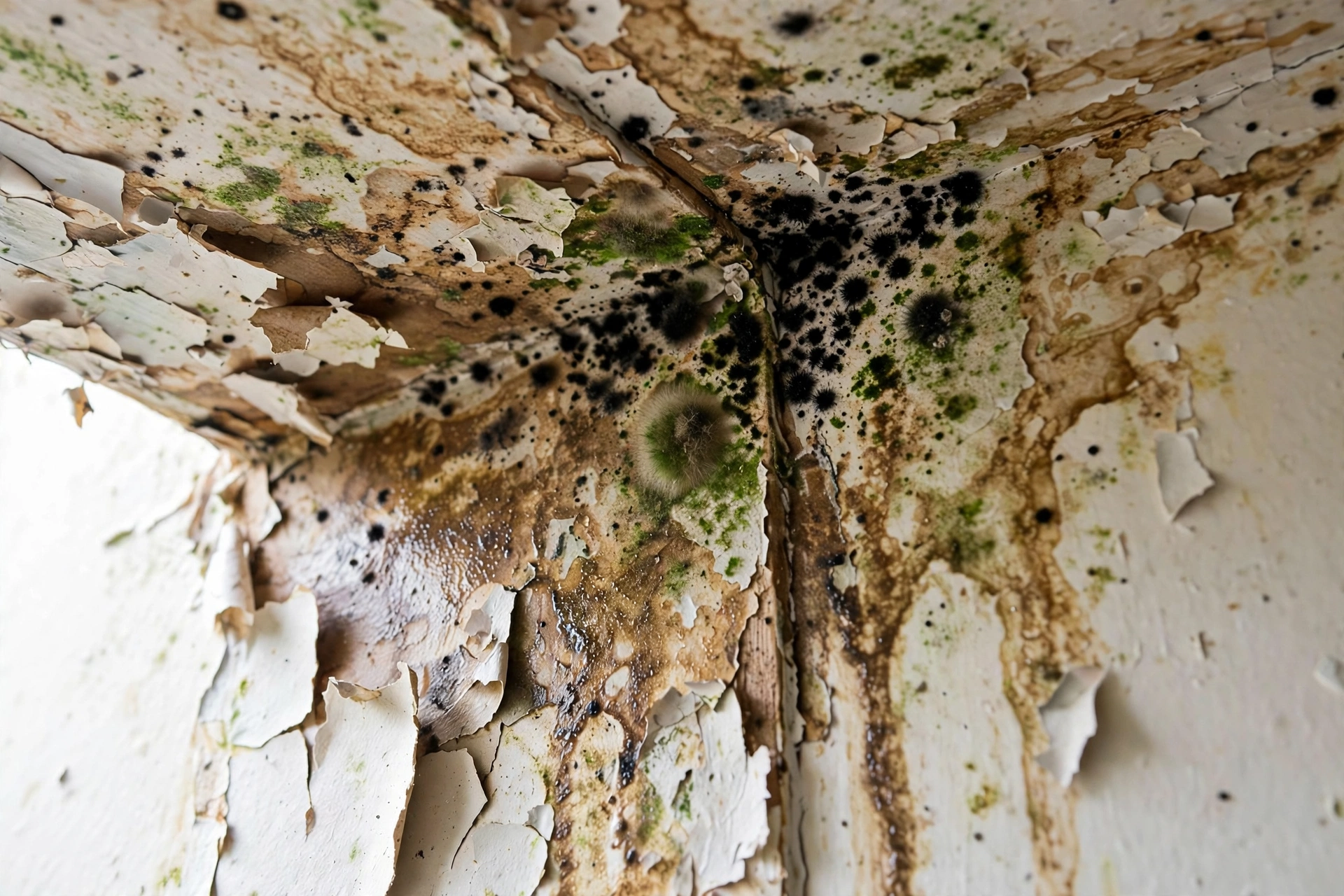
Water damage is not static. The same flood looks different, and needs different treatment, on day one, day two, and day three.
In Texas heat, that timeline runs faster than in cooler climates — which is why the first 24 hours matter so much.
Water damage professionals classify water into categories, and the category decides what can be dried and what must be removed. Category 1 is clean water from a pressurized supply line, such as a burst pipe or a failed supply hose. Category 2 is significantly contaminated water, such as washing machine discharge, dishwasher overflow, or clean water that has sat long enough to pick up contamination from building materials. Category 3 is grossly contaminated water, including sewage backups and storm floodwater that has crossed ground and streets. The critical point for the first day is that categories degrade: clean water that sits in contact with drywall, flooring, dust, and debris for roughly 24 to 48 hours degrades toward Category 2, and porous materials soaked in it — carpet padding, insulation, particle board — generally must then be removed rather than dried. That is why a flood dried properly on day one can often be restored with far less demolition than the same flood addressed on day three, and why waiting through a weekend can change the scope of the job entirely.
Texas heat and humidity compress the mold timeline. Mold spores are present in every home, and they need only moisture, a food source such as drywall paper or wood, and warmth to grow. In a Texas summer, when indoor temperatures climb and humidity stays high, mold can begin colonizing a damp surface within 24 to 48 hours, and it can become visible within days. In a cooled home the timeline is somewhat slower, but a wet wall cavity behind a baseboard, inside an attic, or under flooring stays warm and humid even when the room feels comfortable, because trapped moisture does not benefit from the air conditioning. Slab homes add a further wrinkle: water trapped under flooring or in wall bases on concrete stays cool and damp, out of sight, while the room above feels dry. That is why professional drying is measured with meters rather than judged by touch, and why antimicrobial treatment is a standard finish after drying. If you notice a musty smell developing in the first day or two, treat it as evidence that moisture remains somewhere, report it to the crew, and do not mask it with air freshener and assume the problem is solved. Early mold growth is a drying problem first and a cleaning problem second, and it is solved by finding and removing the moisture, not by covering the smell.
The practical conclusion is simple and worth repeating to anyone tempted to wait: the first 24 hours are the window in which extraction and drying have the greatest effect and the least demolition. After that window, the same water has soaked deeper, degraded further, and given mold a head start — especially in a hot, humid Texas home. Acting on day one is not impatience. It is the difference between a drying job and a rebuild.
The first-day sequence is the same — safety, source, call, documentation — but each source changes the details. Here is how the first 24 hours differ by what caused the water:
A burst pipe is the most urgent indoor source, because it keeps flowing until the main valve closes. Close the main valve, open low faucets to drain pressure, and call for extraction at once. Then chase the hidden water: a pressurized burst injects water into wall bases, behind baseboards, and into framing cavities, and in a Texas attic burst it pools on ceilings below. Check the rooms below and beside the obvious flooding, watch for sagging ceilings, and expect the crew to map moisture with meters and infrared cameras rather than trusting what the eye can see. Because burst-pipe water starts clean, fast extraction on day one gives the best chance of drying materials in place before category degradation forces removal. In a freeze event, keep watching after temperatures rise: pipes can burst on thaw day, when ice melts and full pressure returns to a weakened line, so a home that survived the coldest night is not necessarily safe yet.
Storm floodwater is the source where patience in the first hours is correct, because extraction cannot outpace water still entering the home. In Gulf Coast hurricanes and tropical storms, in Central Texas flash-flood corridors, and in the sudden downpours that overwhelm drainage in DFW suburbs, the first priority is people and evacuation advice from local authorities, not property. Do not drive through flooded streets, do not enter a flooded garage with a submerged breaker panel, and do not assume a receding flood is safe to re-enter until authorities say so. Once the water has receded and re-entry is safe, treat all of it as contaminated: it has crossed streets, yards, and drainage systems, and it can carry sewage, fuel, and chemicals. Document before cleaning, keep children and pets away, discard porous items that soaked in floodwater after photographing them, and expect the crew to sanitise as part of the job. Texas storm patterns also mean a second band of rain can follow the first, so keep watching forecasts and keep valuables off the floor until the weather has genuinely cleared.
A sewage backup is the one source where the correct first-day action is almost entirely hands-off. Close off the affected rooms, keep children and pets completely away, do not run water, flush toilets, or use drains that feed the affected line, and do not attempt household cleaning of sewage-contaminated areas. Sewage water is Category 3 by definition, and porous materials soaked in it — carpet, padding, rugs, upholstered items, drywall at the water line — generally must be removed rather than cleaned. Call for extraction and describe the sewage involvement clearly, so the crew arrives with the right protective equipment and sanitising plan. Photograph the backup from the doorway rather than wading in for close-ups, note which fixtures backed up and in what order, and tell dispatch whether the backup followed heavy rain, which can indicate a municipal or storm-drain contribution worth reporting. If sewage has reached a room with electrical outlets or a breaker panel, the electrical hazard compounds the contamination hazard, and that room is off-limits until both have been assessed.
Appliance leaks are the quietest source, and that quiet is the danger. A washing machine supply hose, a dishwasher drain, a refrigerator ice-maker line, or a water heater relief valve can leak for hours before anyone notices, especially in a Texas garage or laundry room that is not visited often, or behind a refrigerator that hides its own leak. Close the appliance valve at once, unplug the appliance only if the area is dry and safe, and then check the spread: pull the appliance out only if you can do so safely and without damaging a wet floor, look at the wall behind it, and check the rooms on the other side of that wall and below it. Appliance water starts as Category 1 or 2 depending on the appliance — a supply hose is cleaner than a dishwasher or washing machine discharge — and it degrades like any other water left sitting. The slow spread also means documentation matters even more: photograph the appliance, its connections, the valve, and the full footprint of damp flooring and walls, because a leak that ran for a day can look minor at the appliance and be extensive inside the wall behind it. If the water heater is the source, check the attic or garage carefully: a Texas attic water heater leak follows the same downward path as an attic pipe burst, and a garage water heater leak can spread across concrete into stored belongings before it reaches a living space.
Texas is not one climate or one kind of home. Freeze risk, storm patterns, soil, and construction vary from the Panhandle to East Texas, and the first-day advice varies with them. These city guides cover the local risks, neighborhoods, and response details for each community we serve:
West Texas freezes hit hard on the South Plains, and attic lines burst across Lubbock every cold snap — know your shutoff before the freeze arrives. See Lubbock emergency extraction →
Panhandle winters are the coldest in Texas, and freeze-thaw cycles crack supply lines across the High Plains — thaw-day bursts are common. See Amarillo emergency extraction →
North Texas ice storms freeze attic plumbing across DFW's northern suburbs, and sudden downpours overwhelm drainage in fast-growing subdivisions. See Denton emergency extraction →
East Texas ice events and heavy piney-woods rain catch homes with exposed plumbing, crawlspace lines, and low-lying lots. See Tyler emergency extraction →
Central Texas freezes burst pipes in slab-on-grade subdivisions, and storm runoff finds the lowest rooms first. See Killeen emergency extraction →
Wherever you are in Texas, the first-day sequence is the same: safety first, stop the source if you can do so safely, call (866) 316-5715 for emergency extraction, document everything before cleaning, and do not wait for a wet Texas home to dry on its own. Local crews know the construction, the climate, and the claim patterns in each of these cities, and that local knowledge is part of what makes the first 24 hours go right.
Make sure people and pets are safe, especially around electricity and contaminated water. Then stop the source if you can do so safely, by closing the main water shutoff valve or the appliance valve. Only after safety and the source are handled should you start moving belongings or cleaning up.
Call right away, day or night. Water wicks into drywall, flooring, and framing within hours, and in Texas heat it can begin to support mold growth within 24 to 48 hours. A flood addressed on day one can often be dried in place, while the same flood left for days may need demolition.
Common locations are near the street water meter in a ground box at the property line, in the garage where the line enters the home, or in a utility closet. Some homes also have a shutoff at the water heater. Find yours before an emergency, label it, and show your household.
It depends on the damage. Stay out of rooms with standing water near electrical equipment, sewage contamination, or a sagging ceiling, and stay out entirely if power to affected areas is unsafe or the home has no working bathroom. If the home is uninhabitable, arrange somewhere else to stay and tell your insurer.
Photograph and video every affected room exactly as found, the source if visible, water lines on walls, damaged flooring and belongings, and each item before it is moved or discarded. Keep receipts for emergency spending and the crew's moisture and drying logs, and keep a written log of every call to your insurer.
Household fans and open windows help with surface drying, but they cannot dry water trapped inside walls, under flooring, or in framing, and in humid Texas weather they can move moisture around without removing it. Professional drying uses air movers, commercial dehumidifiers, and moisture meters to verify the structure is truly dry.
In Texas heat and humidity, mold can begin colonizing a damp surface within 24 to 48 hours, and it can become visible within days. Wet wall cavities, attics, and areas under flooring stay warm and humid even when the room feels comfortable, which is why fast extraction and meter-verified drying matter so much.
Stop the source if you can do so safely, then connect with a verified Texas pro for emergency extraction, structural drying, and sanitizing.
📞 Call (866) 316-5715