Sewage Backup Extraction in Texas: Black Water Cleanup Done Safely
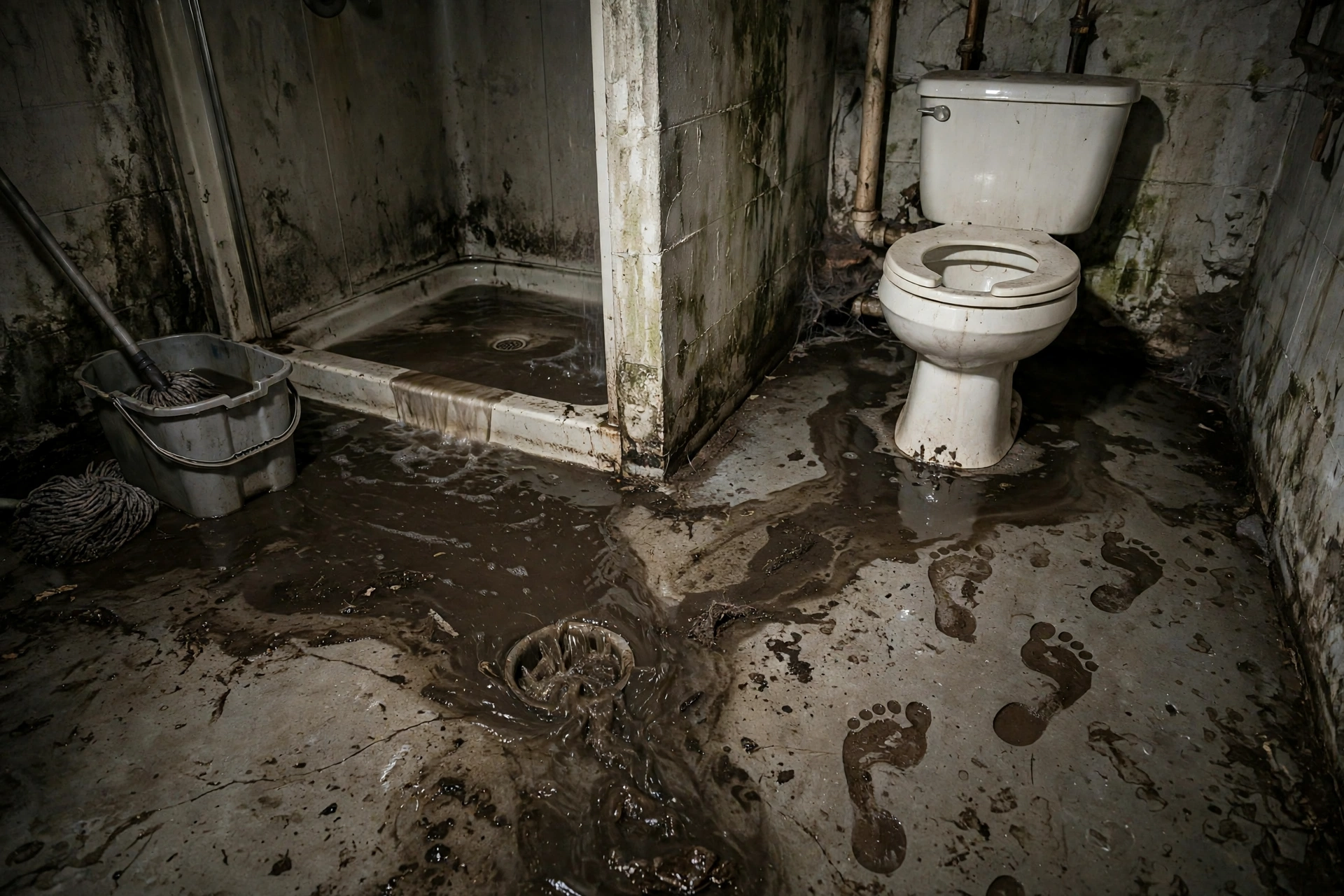
When sewage backs up through drains, toilets, or tubs, you're dealing with Category 3 black water — a genuine health hazard that demands professional extraction, removal, and disinfection.
Direct answer: Sewage backup extraction is the emergency removal of Category 3 black water — wastewater from sewer lines, septic systems, or backed-up drains — using full protective equipment, professional extraction, removal of contaminated porous materials, thorough disinfection, and structural drying. It is never a DIY job: black water carries bacteria, viruses, and parasites that cause serious illness, and household cleaning products cannot make affected porous materials safe again.
Why Sewage Backup Is a Completely Different Emergency
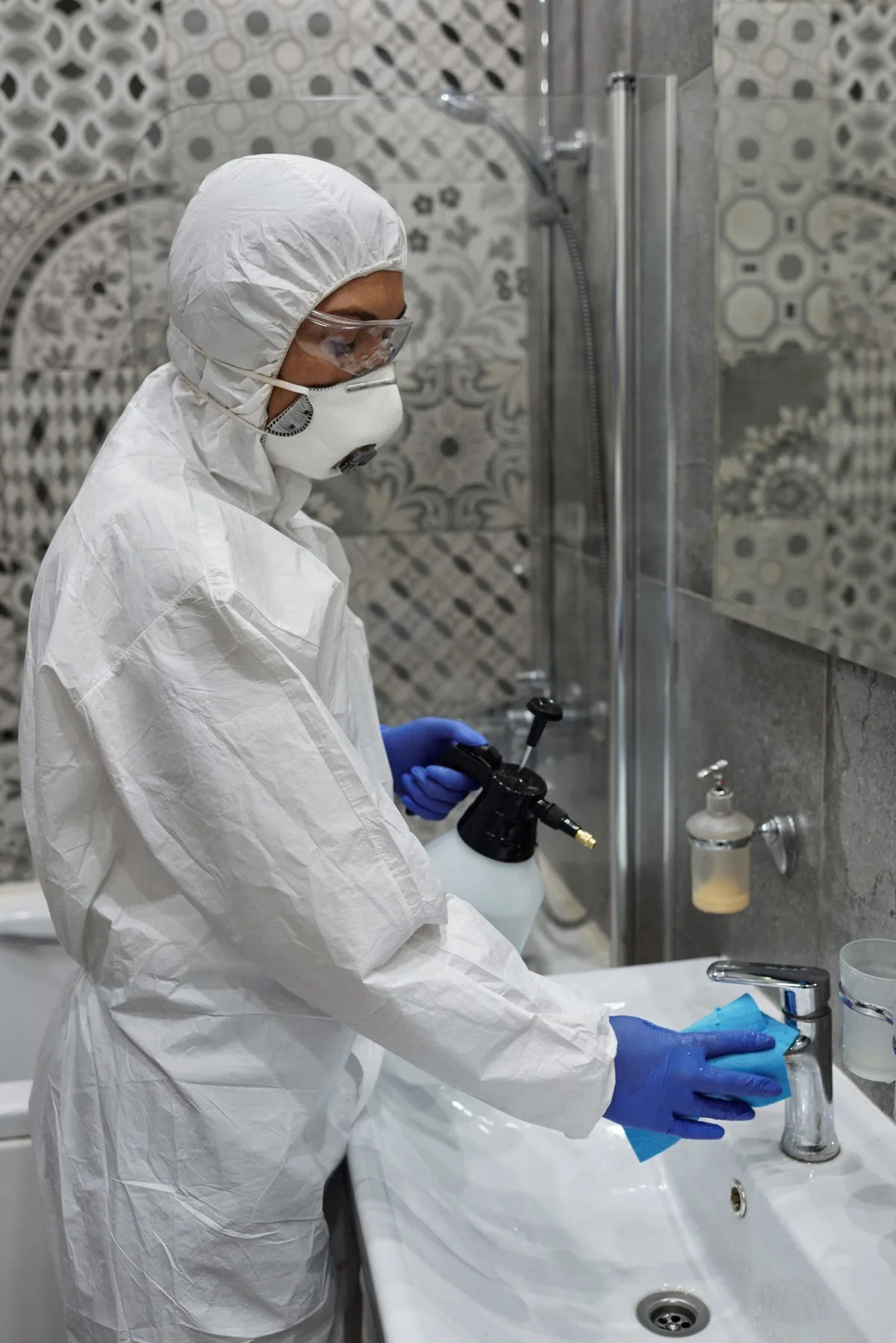
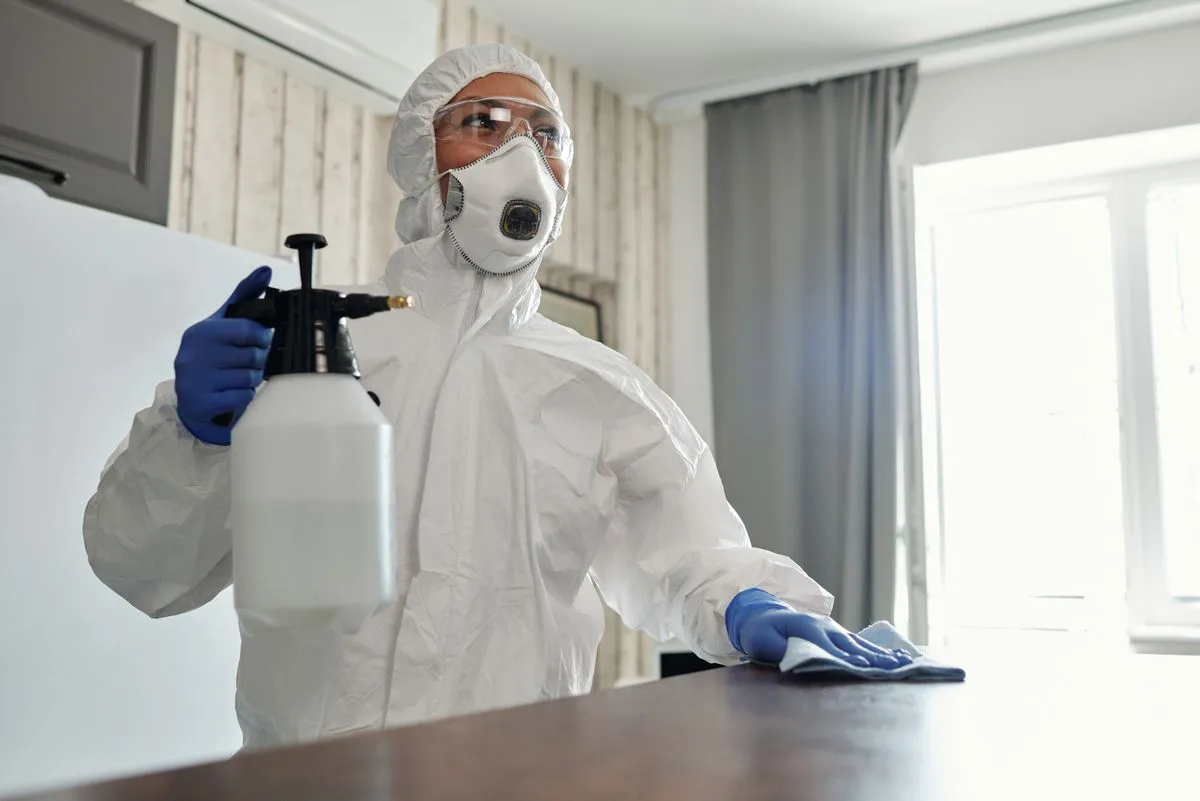
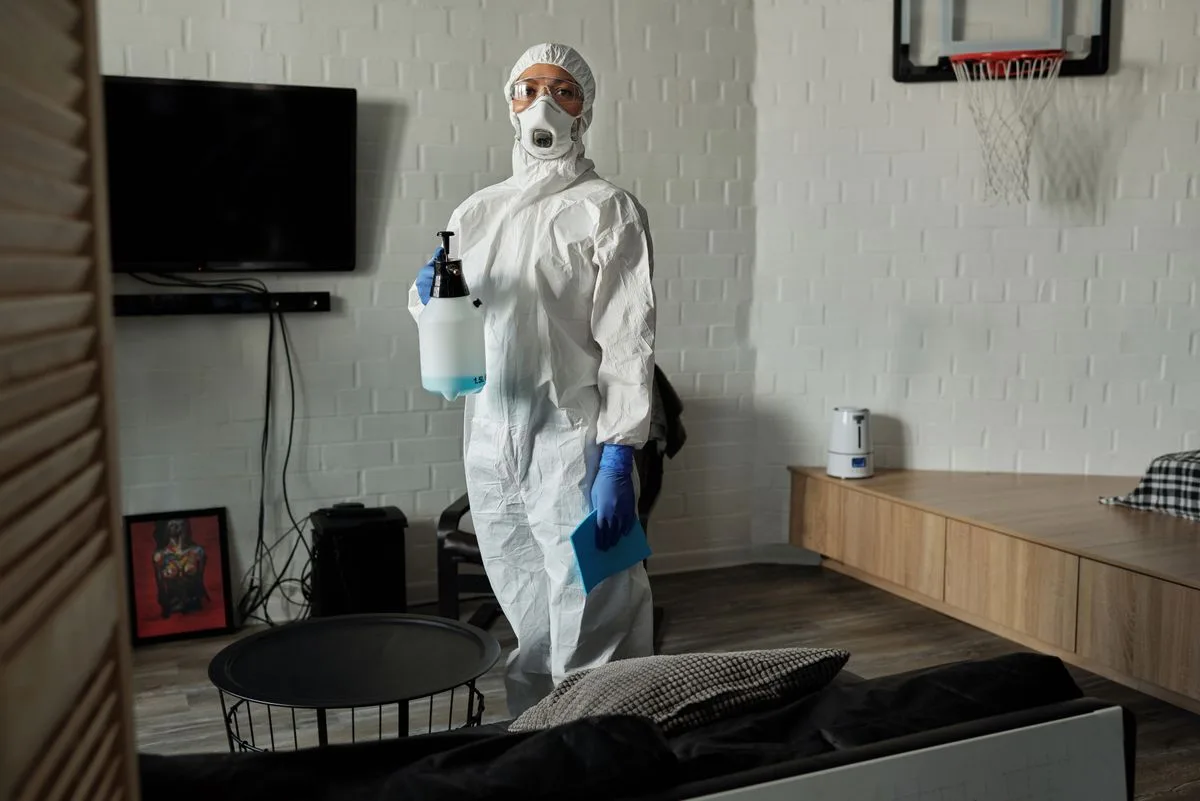
Black water cleanup requires full protective equipment: suit, respirator, goggles, and gloves — not household cleaning supplies.
Most water emergencies are a race against the clock. A sewage backup is a race against the clock with a health hazard attached. The restoration industry classifies sewage as Category 3 — "black water" — meaning it is grossly contaminated and presumed to carry disease-causing organisms. That single classification changes everything about the response: the protective equipment, what gets removed versus cleaned, how aggressively surfaces are disinfected, and how waste is handled afterward.
The uncomfortable truth is that a mop, a wet vacuum, and bleach do not make a sewage backup safe. Black water soaks into carpet padding, wicks up drywall, penetrates subflooring, and settles into every porous surface it touches. Once contaminated, those materials cannot be reliably disinfected — industry practice is to remove and discard them. Hard, non-porous surfaces can be cleaned and disinfected, but only with proper antimicrobial products applied at the right concentration and dwell time, by people wearing real protective gear. Texas heat makes the timeline even less forgiving: warm conditions accelerate bacterial growth in standing black water, so what sits for a day is measurably worse than what is extracted within hours.
How Sewage Backups Happen in Texas Homes
Backups rarely announce themselves politely. Here are the six ways sewage typically forces its way into a Texas home — and what each one looks like:
Toilet Backups
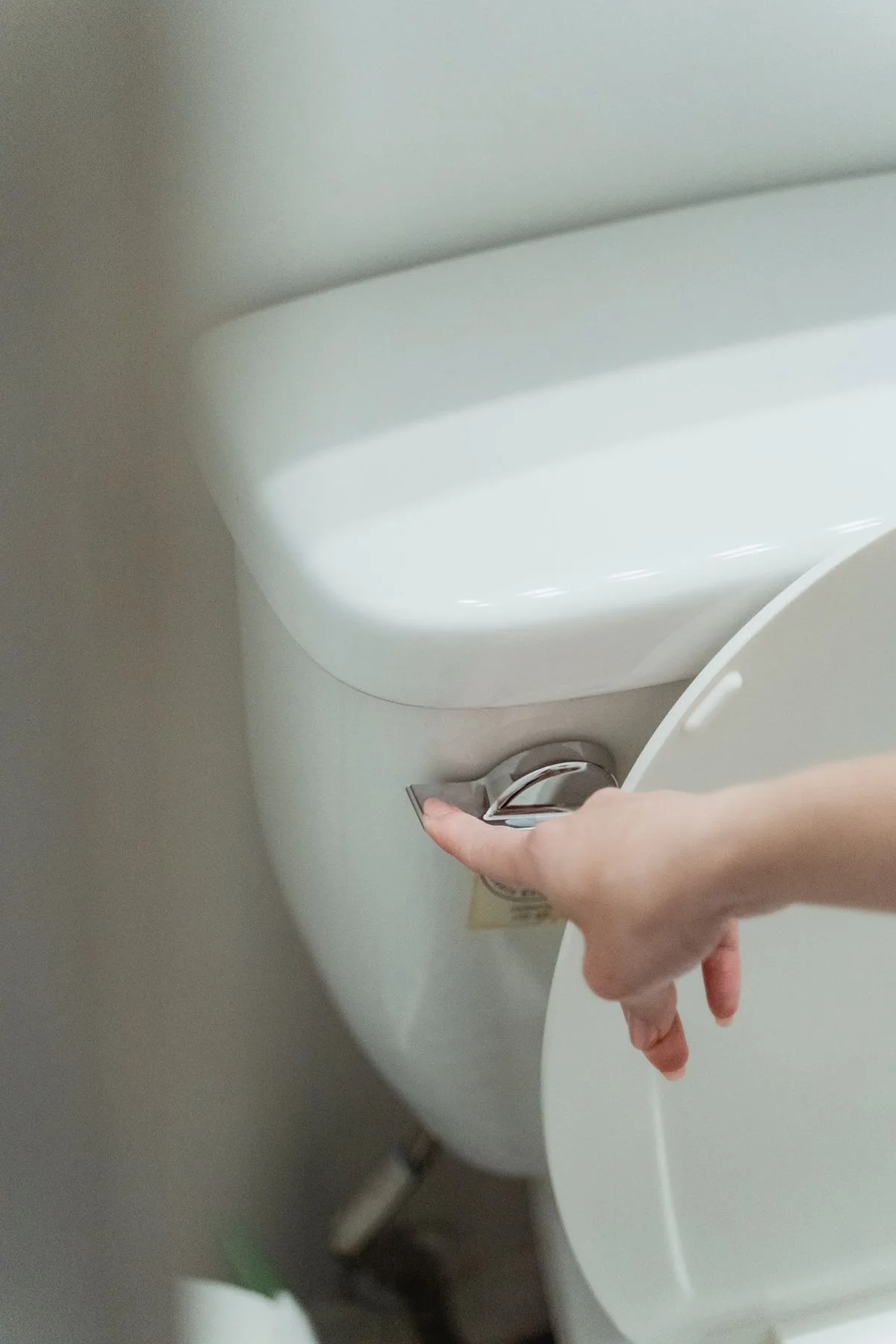
The classic warning sign: a toilet that gurgles, bubbles, or overflows when another fixture drains. When the main sewer line clogs, the lowest fixtures in the house become the relief valve — wastewater takes the path of least resistance, which is often straight up through a toilet bowl. Never keep flushing a toilet that's backing up; each flush adds volume to the problem.
Floor Drain Backups
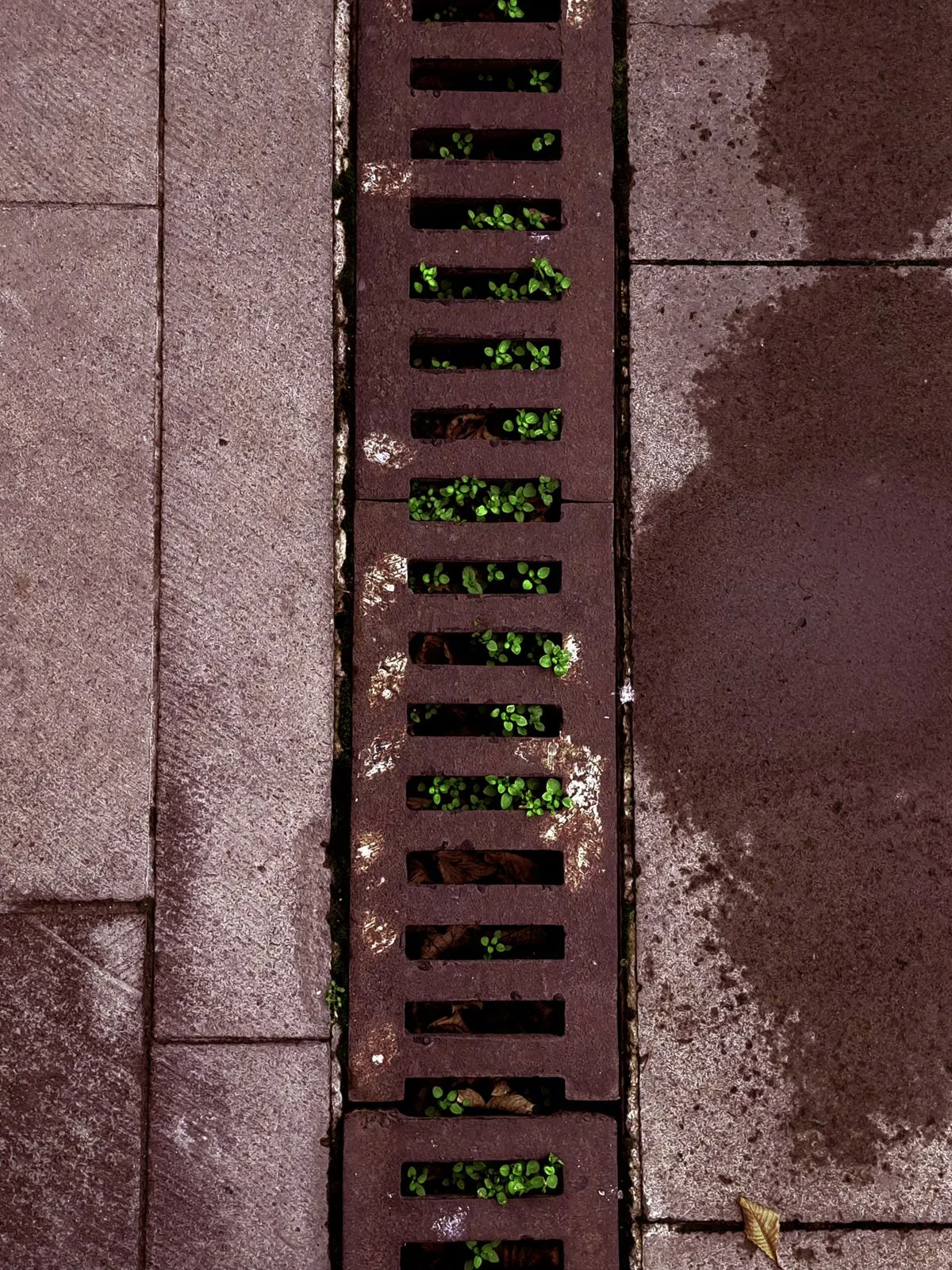
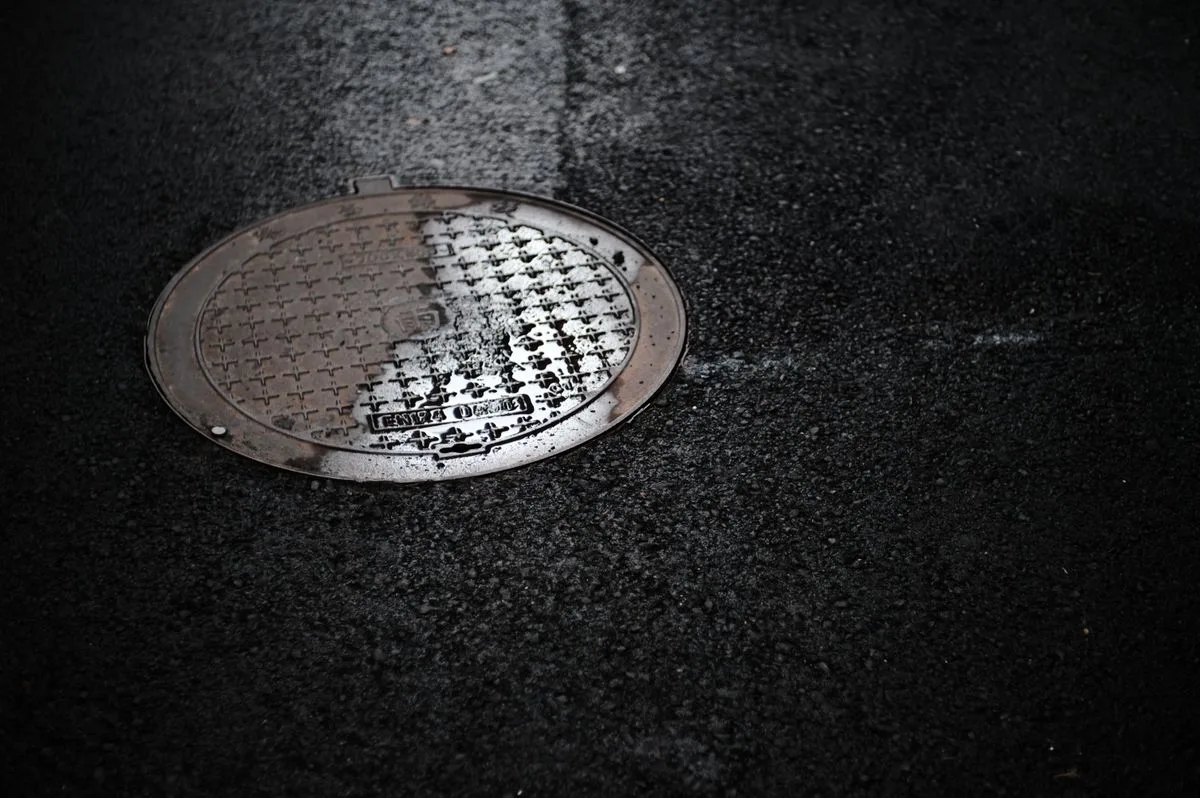
Floor drains sit at the lowest point of a home — laundry rooms, garages, utility closets — so they're usually the first place a main-line blockage shows itself. Dark, foul-smelling water seeping up through a floor drain is a textbook sewer backup, not a plumbing quirk. If it smells like sewage, treat it as sewage: keep everyone away and stop using water in the house.
Overwhelmed Municipal Mains
Texas cloudbursts can dump inches of rain in an hour, and older municipal sewer systems can't always keep up. When the city main surcharges, pressure can push sewage backward through home laterals — even in houses with perfectly clear pipes. If neighbors are backing up at the same time, the problem is almost certainly in the municipal line, and the city utility needs to hear about it too.
Damaged or Root-Invaded Sewer Lines
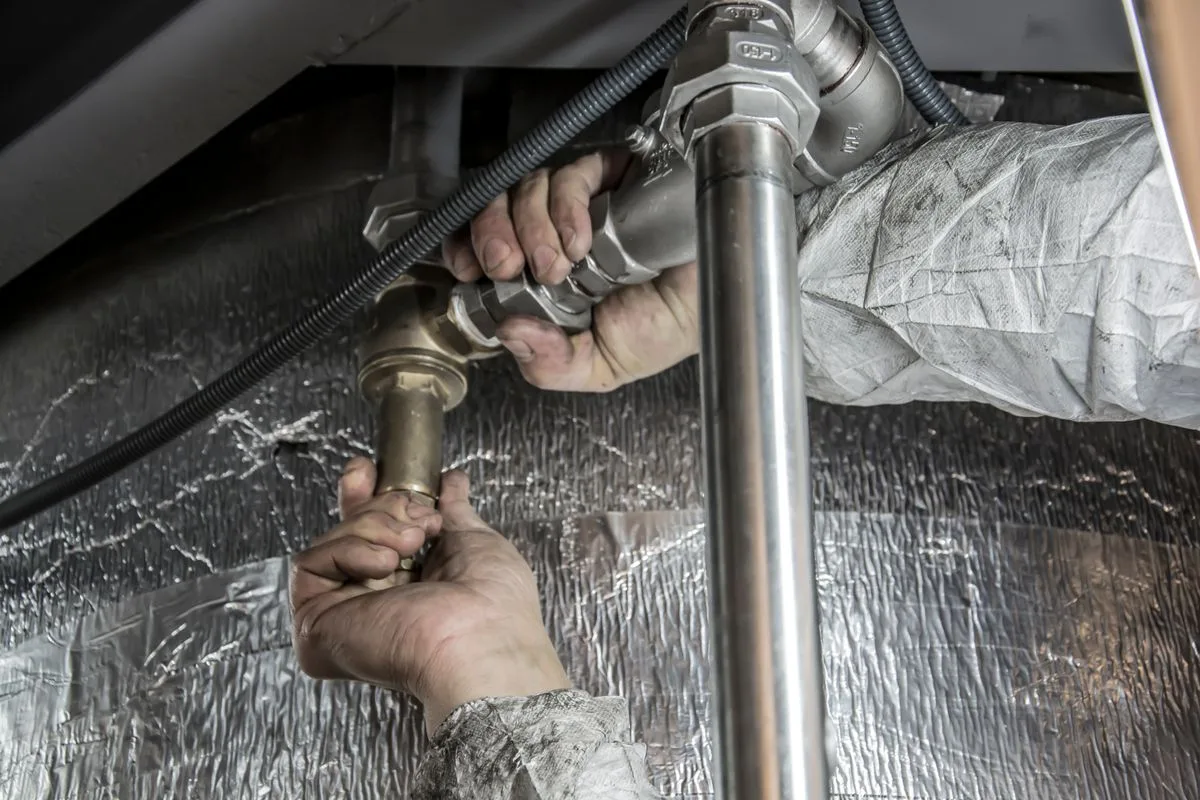
Clay tile and cast-iron laterals in older Texas neighborhoods crack, separate at joints, and invite tree roots — which then grow into a dense mat that traps everything. Texas's expansive clay soil shifts with wet-dry cycles and stresses those joints further. A line that drains slowly for months before failing completely is the usual story; a camera inspection finds the break.
Professional Disinfection
After extraction, every hard surface that contacted black water gets cleaned and then disinfected with EPA-registered antimicrobial products at proper concentration and dwell time. This is a two-step process — cleaning first, disinfecting second — because disinfectants can't work through layers of organic soil. The protective suit, respirator, and goggles aren't theater; they're the minimum for Category 3 work.
Sanitizing Living Spaces
Black water doesn't stay where you first see it — it wicks, splashes, and gets tracked on shoes into adjacent rooms. Professional crews sanitize beyond the visible mess: adjoining flooring, lower wall sections, and affected contents. HVAC systems get special attention, since running a system during a backup can distribute contaminants through ductwork.
If you see or smell sewage right now: keep everyone (including pets) away from it, do not flush toilets or run water, do not touch it with bare hands, and do not run fans or HVAC near it — airflow spreads contaminated aerosols. Call (866) 316-5715. This is one emergency where waiting or improvising makes everything worse.
Local risk factors
Texas Conditions That Make Sewer Backups More Likely
Sewer backups happen everywhere, but several Texas-specific conditions raise the odds — worth knowing whether you're preventing the next one or dealing with one now:
Soil, rain, and aging pipes
Expansive clay soil. The famous Texas "black gumbo" swells when wet and shrinks when dry, heaving and cracking buried sewer laterals at their joints. Slab-on-grade homes — the Texas standard — hide these breaks until sewage surfaces inside.
Cloudburst rainfall. Texas storms routinely drop several inches of rain in an hour. Older municipal systems surcharge under that load, and the pressure has to go somewhere — often backward into homes.
Aging laterals. Mid-century neighborhoods across DFW, Houston, and San Antonio still run on clay tile and cast-iron sewer lines. Decades of root intrusion plus soil movement make these the most backup-prone pipes in the state.
Household and seasonal contributors
Grease and "flushable" wipes. Fats poured down kitchen sinks congeal in cool lines; wipes don't break down like toilet paper. Together they build the blockages that trigger backups.
Septic systems in unincorporated areas. Much of Texas outside city limits runs on septic. Saturated drain fields after heavy rain can't absorb effluent, and the system backs up into the house.
Summer heat accelerates contamination. Warm standing black water grows bacteria faster. In a Texas summer, a backup left overnight is a significantly bigger health problem than the same backup extracted the same evening.
The process
Sewage Backup Extraction, Step by Step
Here's exactly what a professional crew does when they arrive for a Category 3 backup — every step exists for safety, not show:
Sewage extraction is hazardous work: protective equipment, containment, and disinfection are built into every step — this is never a mop-and-bucket job.
The sequence below shows how pros remove black water safely and restore the space to a sanitary condition.
Hazard Assessment & Full PPE
Technicians confirm the water category, check for electrical hazards, and suit up — protective suit, respirator, goggles, gloves, and boots. Nobody enters black water without full protection, and the home's occupants are kept clear of the work zone.
Stop the Inflow
All water use in the house stops immediately — every flush or running tap adds to the backup. The crew helps locate the main sewer cleanout and determines whether the blockage is in your lateral or the municipal main.
Containment
The affected area is isolated with barriers and plastic sheeting to prevent contaminated water, debris, and aerosols from reaching clean rooms. HVAC serving the area is shut down so the system doesn't distribute contaminants.
Black Water Extraction
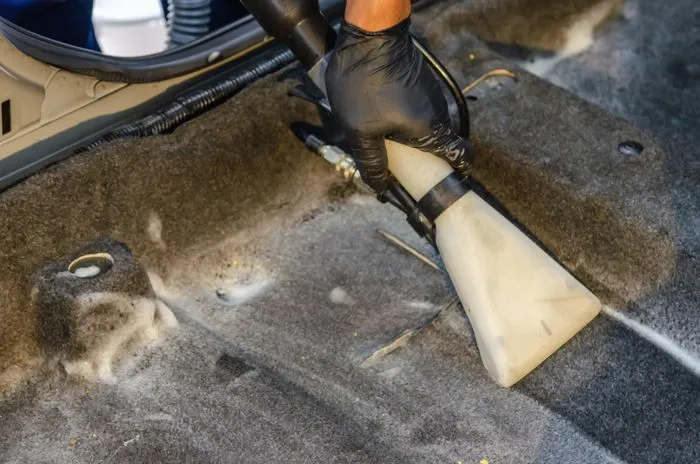
Truck-mounted extractors and submersible pumps remove the standing sewage. Contaminated water and debris are collected for proper disposal — black water is handled as a biohazard, not poured down a storm drain.
Removal of Contaminated Porous Materials
Carpet padding, affected carpet, insulation, and the lower sections of drywall that wicked up sewage are cut out and bagged for disposal — typically "flood cuts" a foot or two above the visible waterline. Porous materials cannot be disinfected reliably; removal is the only safe option.
Cleaning, Then Disinfection
Remaining hard surfaces are cleaned first to remove organic soil, then treated with antimicrobial disinfectants at proper concentration and dwell time. Skipping the cleaning step — or spraying and immediately wiping — doesn't achieve disinfection, no matter what the product label promises.
Structural Drying
Industrial air movers and commercial dehumidifiers dry framing, subfloor, and remaining structure, guided by moisture meters. Drying continues until materials reach verified dry standards — damp framing behind a disinfected wall is still a mold risk.
Odor Control & Verification
Deodorization addresses the sewer odor that lingers after cleaning, and a final inspection verifies disinfection coverage, dryness, and that no contaminated material was missed. You receive documentation of the work — useful for insurance and for your own peace of mind.
Health guidance
What Is Actually in Black Water — and Why It Matters
Honest health context, because "don't touch it" is more convincing when you know what's in it:
Black water carries bacteria, viruses, and parasites from the sewer system — direct contact and even the aerosols from splashing are genuine health hazards.
That's why porous materials soaked in sewage are removed rather than cleaned, and why the area is disinfected before drying begins.
Raw sewage can carry E. coli, Salmonella, Shigella, Hepatitis A, norovirus, Giardia, and intestinal parasites, along with household chemicals washed down drains. Exposure routes are ingestion (even tiny amounts), contact with broken skin, and inhaled aerosols from agitated water. Children, older adults, pregnant women, immunocompromised people, and pets face higher risk from the same exposure — which is why "keep everyone out" is the first instruction, not an abundance of caution.
If anyone develops nausea, vomiting, diarrhea, fever, or skin infections after contact with sewage-contaminated water, see a clinician promptly and mention the sewage exposure — that's genuinely useful information for diagnosis. This page is health context, not medical advice; when in doubt, call your doctor, not a restoration blog.
DIY is never acceptable for sewage. Household cleaners, bleach, and a rented carpet cleaner cannot disinfect porous materials, and wading in without a respirator exposes you to aerosolized pathogens. The protective equipment, extraction power, and disposal procedures professionals use exist because this work genuinely makes people sick without them.
Related: When Clean Water Becomes a Bigger Problem
Not every indoor flood is sewage — but every flood gets worse with time. If your emergency involves clean water from a pipe or appliance rather than a drain backup, our emergency water extraction guide covers the process, equipment, and first-30-minutes checklist. Appliance failures like burst washer hoses and dishwasher leaks are covered in our appliance leak extraction guide.
Be prepared
What To Do Before the Crew Arrives
Stop all water use. No flushing, no showers, no laundry, no dishwasher. Every gallon you send down a drain feeds the backup.
Keep people and pets out. Close doors to affected rooms. If sewage is near HVAC vents or returns, shut the system off.
Protect yourself if you must pass through. Rubber boots and gloves at minimum; don't touch your face, and wash thoroughly afterward.
Never try to plunge or snake a sewage backup yourself. Agitating black water aerosolizes pathogens, and a snake can push the blockage — and the sewage — further into the house.
Don't run fans or open windows "to air it out." Airflow over black water spreads contaminated aerosols through the house.
Document from a distance. Photograph the backup, water lines, and affected belongings without wading in. Your insurer will want the record.
Where we serve
Sewage Backup Help Across Texas — Local Pages
Backup risks and response details vary by community. Our city guides cover the specific plumbing, soil, and storm factors for each area we serve:
No — even a small amount of sewage carries bacteria, viruses, and parasites that cause serious illness. Household cleaners can't disinfect porous materials like carpet pad, drywall, or subfloor, and cleaning without a respirator exposes you to aerosolized pathogens. Category 3 black water always calls for professional protective equipment, extraction, and disinfection. Call (866) 316-5715.
What makes sewage "Category 3" black water?
Category 3 means grossly contaminated water — sewage backups, rising floodwater, or any water carrying harmful agents. The classification comes from the restoration industry's S500 standard and dictates the entire response: full protective gear, removal (not cleaning) of affected porous materials, and thorough disinfection of what remains.
Why do technicians cut out the bottom of my drywall?
Drywall wicks contaminated water upward well above the visible waterline, and the inside of a wall cavity can't be disinfected once sewage gets in. Technicians make "flood cuts" — removing drywall a foot or two above the contamination line — along with wet insulation, so nothing harboring pathogens stays sealed inside your walls.
Can carpet survive a sewage backup?
Rarely. Carpet padding is essentially never salvageable after Category 3 exposure, and the carpet itself usually can't be reliably disinfected either — most of it is removed and discarded. Hard flooring (tile, sealed concrete) can typically be cleaned and disinfected successfully.
How can I tell a sewage backup from a simple clogged drain?
A single slow drain is usually a local clog. A sewer backup shows up across multiple fixtures — toilets gurgling when the washer drains, water rising in a shower when a toilet flushes — and backups appear in the lowest fixtures first, often with a distinct sewage odor. Multiple-fixture symptoms plus odor mean main line, not a clog.
What should I do the moment I discover a sewage backup?
Stop using all water immediately, keep people and pets away from the area, shut off HVAC if sewage is near vents, and don't plunge, snake, or fan the area. Photograph the damage from a safe distance for your records, then call (866) 316-5715 for professional extraction and disinfection.
Does homeowners insurance cover sewage backups?
Often only with a separate water/sewer backup endorsement — standard policies commonly exclude it. Check your policy for backup coverage and its limits, document everything with photos before cleanup begins, and keep all work documentation your crew provides for the claim.
Sewage Backup? Don't Touch It — Call Our 24/7 Dispatch
Connect with a verified Texas pro for black water extraction, contaminated material removal, and full disinfection.