Texas weather floods homes from every direction — hurricanes on the coast, flash floods in the Hill Country, tropical remnants in the east. Floodwater is always contaminated. Here's how professionals extract it safely.
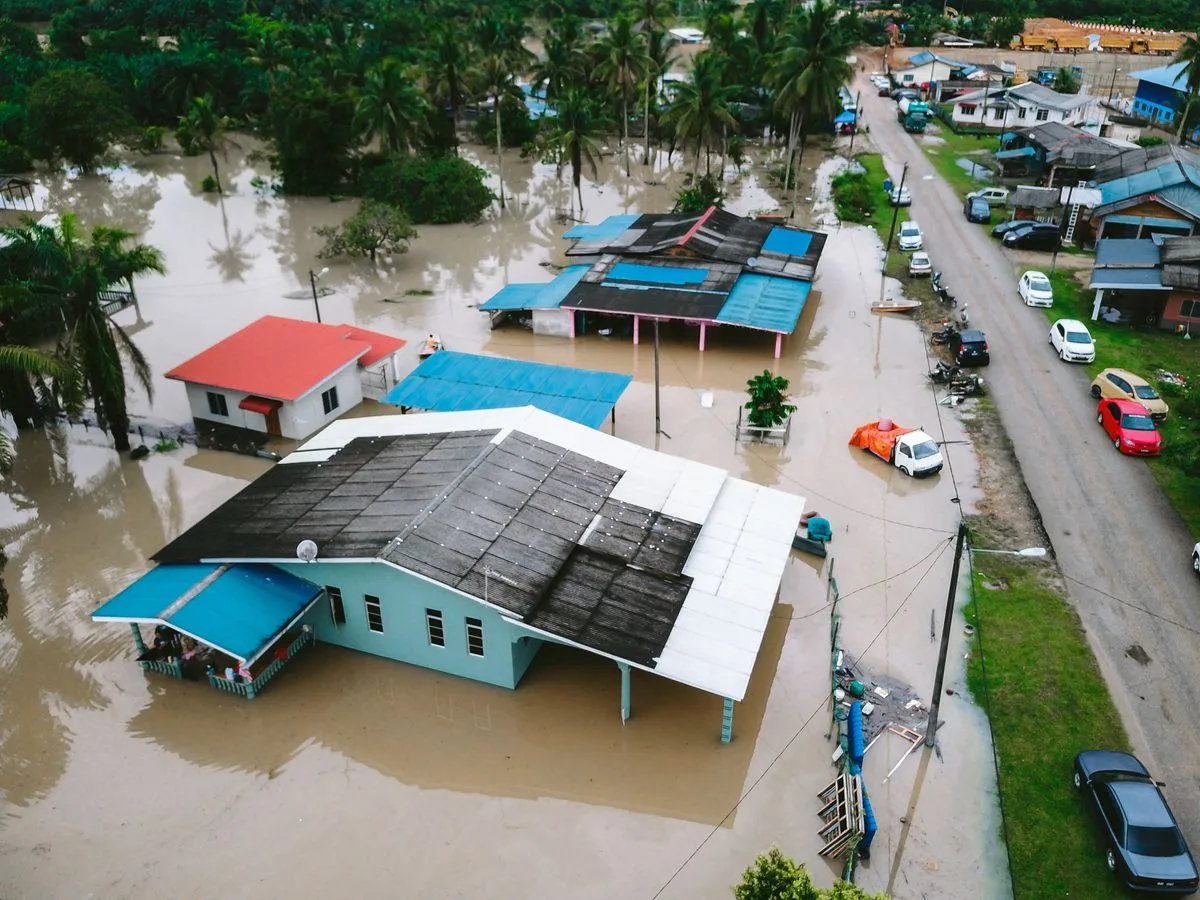
Clean rain falls from the sky. By the time it floods your home, it has crossed parking lots, streets, yards, and septic systems — picking up motor oil, pesticides, animal waste, and whatever the municipal sewer system overflowed along the way. The restoration industry treats all of it as Category 3: grossly contaminated water requiring full protective protocols, removal of affected porous materials, and professional disinfection.
Texas makes this worse in specific ways. The state's heavy clay soils — the famous Houston "gumbo" clay — absorb water so slowly that rainfall sheets off instead of soaking in, raising flood levels faster than in sandier states. Much of Central Texas sits in Flash Flood Alley, where the Balcones Escarpment forces moist Gulf air upward into sudden, violent downpours that can turn a dry creek into a wall of water within minutes. Coastal communities face hurricane storm surge that pushes seawater and bay water inland. And the state's rapid development has paved over prairie and farmland that once absorbed rainfall, sending more runoff into neighborhoods with every new subdivision.
The contamination rule has no exceptions. Even a "clean-looking" flood — clear water that rose through a supposedly clean area — is Category 3 in practice, because no one can verify what it crossed. This is the fundamental difference between storm flooding and a burst pipe: the pipe delivers clean water at first; the storm delivers contamination from the first inch. Extraction is only the opening move. Everything it touches must be assessed, and porous materials — carpet pad, drywall, insulation — must be removed and the structure sanitized.
Six distinct storm threats flood Texas homes — each with its own water behavior, its own timeline, and its own cleanup demands:

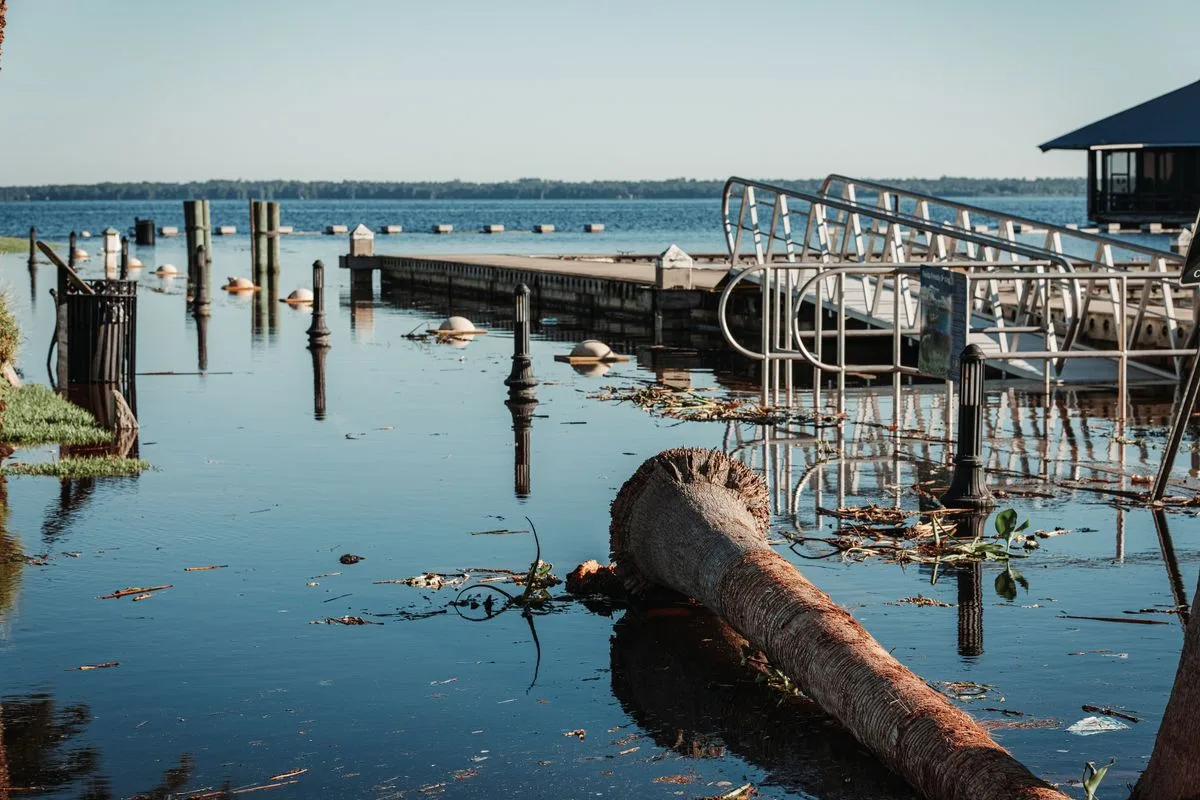
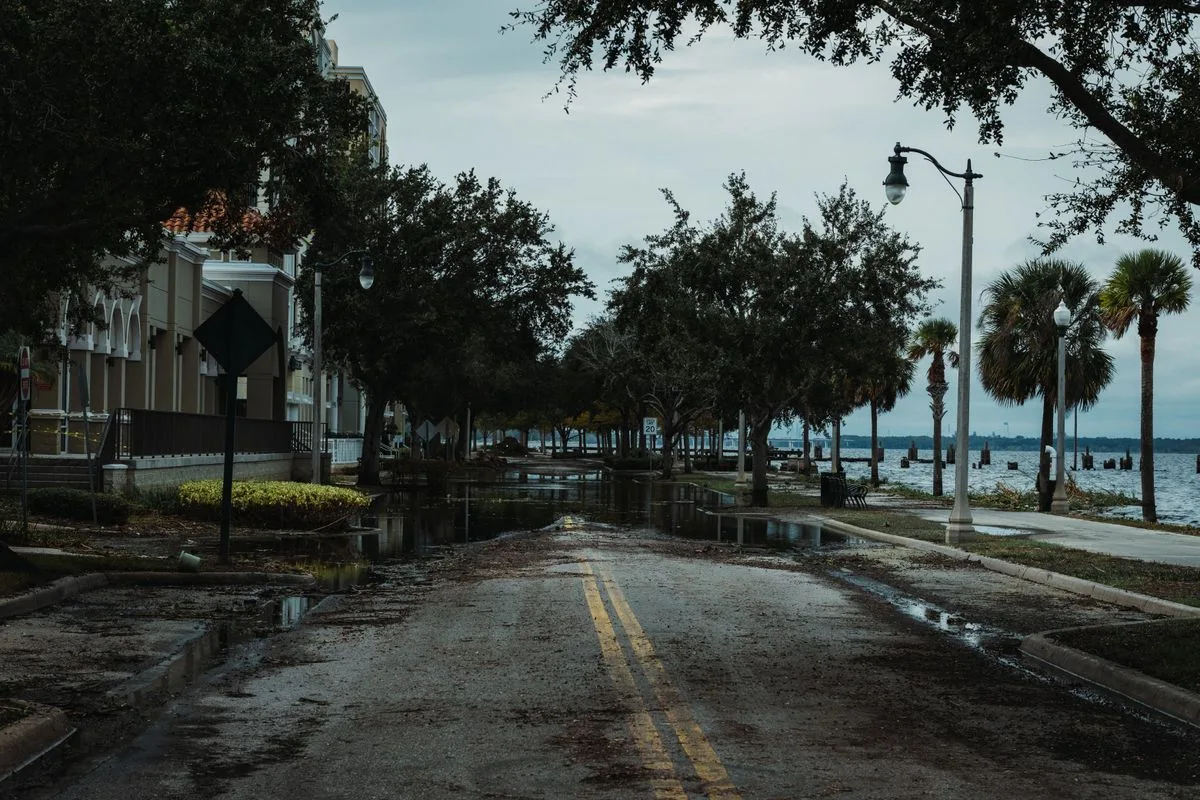
Surge pushes seawater and bay water into coastal communities — salt-laden, debris-filled, and often several feet deep. Salt water corrodes metal, wicks aggressively into materials, and leaves residue that complicates drying. After a hurricane, extraction crews pump out surge water before anything else can begin.

Look at what's floating in floodwater: vegetation, trash, sediment, and whatever else the water carried. Now imagine that soaking into your drywall and subfloor. Floodwater always carries bacteria, chemicals, and sewage contamination — which is why professional sanitizing follows every storm extraction.

You don't need a named hurricane for wind-driven flooding. Tropical storm systems tear at roofing, siding, and windows — and once the building envelope is breached, rain pours in for hours. Wind-lifted flashing and punctured shingles turn a rain event into an interior flood.

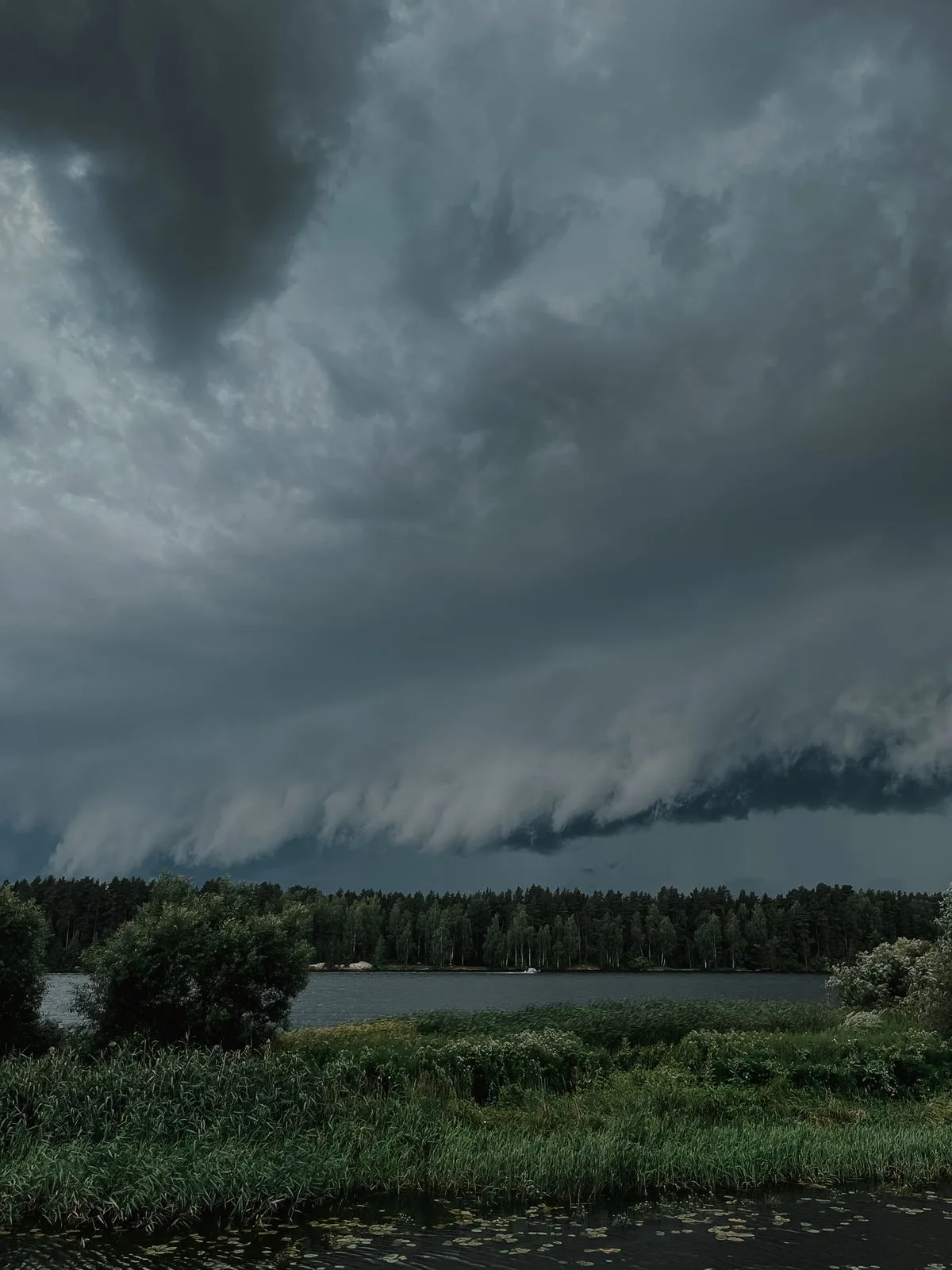
Spring and summer supercells drop inches of rain in an hour — more than drainage systems can handle. Streets become rivers, low homes take on water through doors and foundation vents, and hail-punctured roofs admit rain from above. These fast, violent storms give little warning and less mercy.

Rain doesn't fall straight down in a Texas storm — wind drives it sideways, under shingles, through soffit vents, and around window flashing. Water enters attics and wall cavities where it hides, soaking insulation and framing long before anyone notices a stain below.

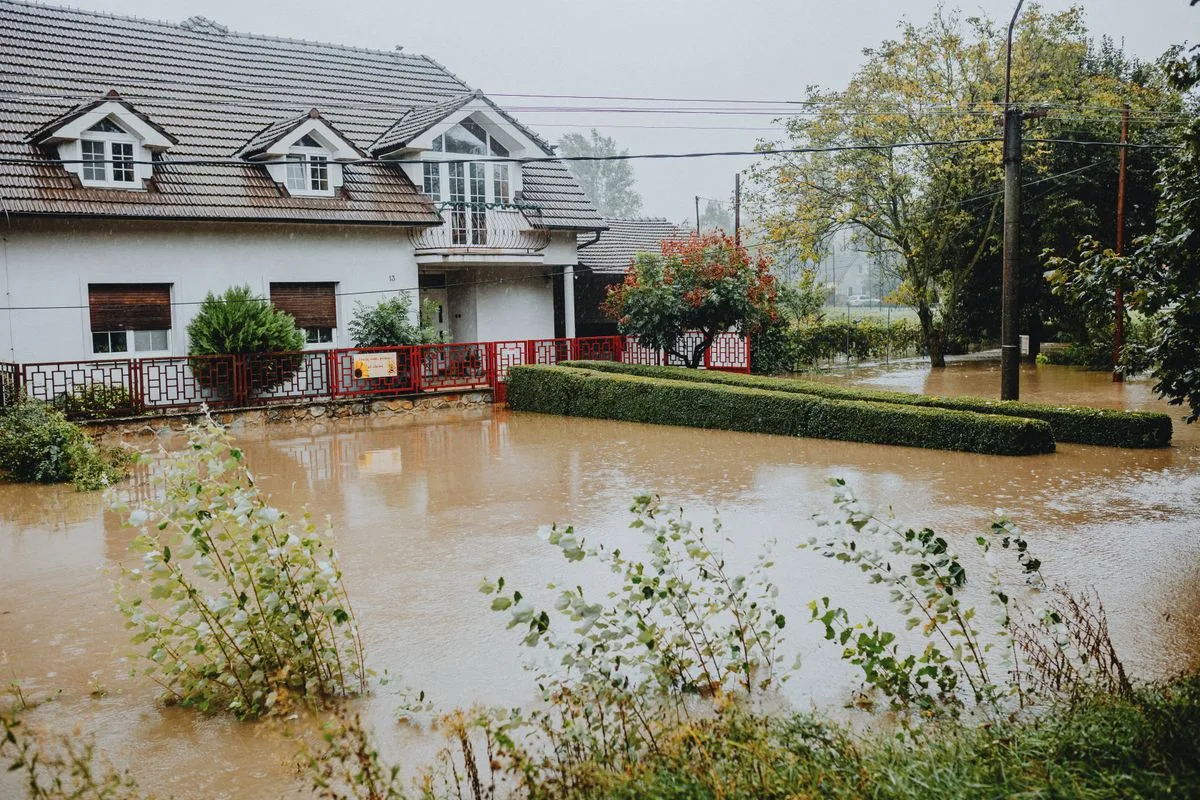
In Flash Flood Alley, a creek that's ankle-deep at noon can be chest-deep by dinner. Flash floods arrive as fast-moving, debris-laden walls of water that smash through doors and windows — and recede leaving behind saturated structures, mud, and everything the water carried with it.
Storm flooding brings hazards a burst pipe doesn't: contamination, debris, downed power lines, and structural damage. Your first half hour is about safety, not cleanup:
Storm cleanup follows a stricter protocol than clean-water losses — every step assumes contamination. Here's the professional sequence:

Storm water is deep, dirty, and fast-moving — the extraction sequence adds containment and sanitizing to the standard process.
Here's how a professional crew handles a storm flood from the first safety check to the final verified drying.
Crews in full protective equipment first assess structural safety — undermined foundations, buckled floors, downed lines — plus electrical and gas hazards. No work begins until the building is safe to enter. Category 3 protocols apply from minute one.
Technicians survey every affected area and confirm the Category 3 classification, which dictates what gets removed versus dried, what PPE is required, and how aggressively sanitizing must be. The water line on walls marks the contamination boundary.
Submersible pumps and truck-mounted extractors remove the bulk water. In deep flooding, pumping is staged — water is drawn down in controlled stages so outside pressure doesn't damage foundation walls. Debris is cleared so equipment can work.
With Category 3 water, affected porous materials are removed, not dried: carpet and pad, insulation, and drywall are typically cut out above the water line per industry practice. This is the step that separates storm cleanup from every other water job.
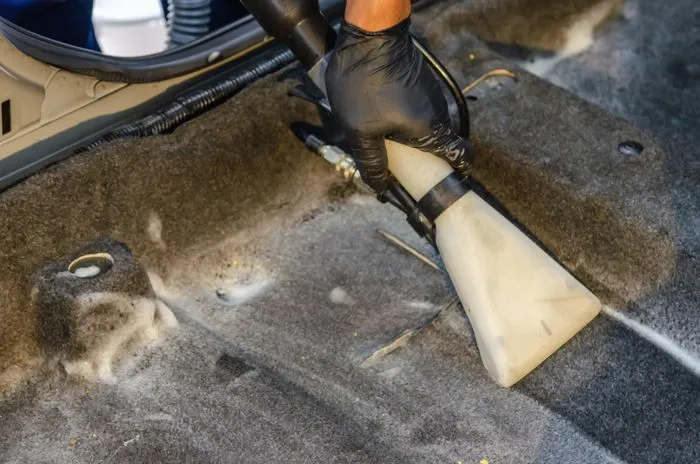
After bulk removal, weighted extraction tools and wet vacuums pull residual water from hard surfaces, subfloor, and framing. Mud and silt — which storms always leave — are extracted and cleaned so drying equipment works on water, not sludge.
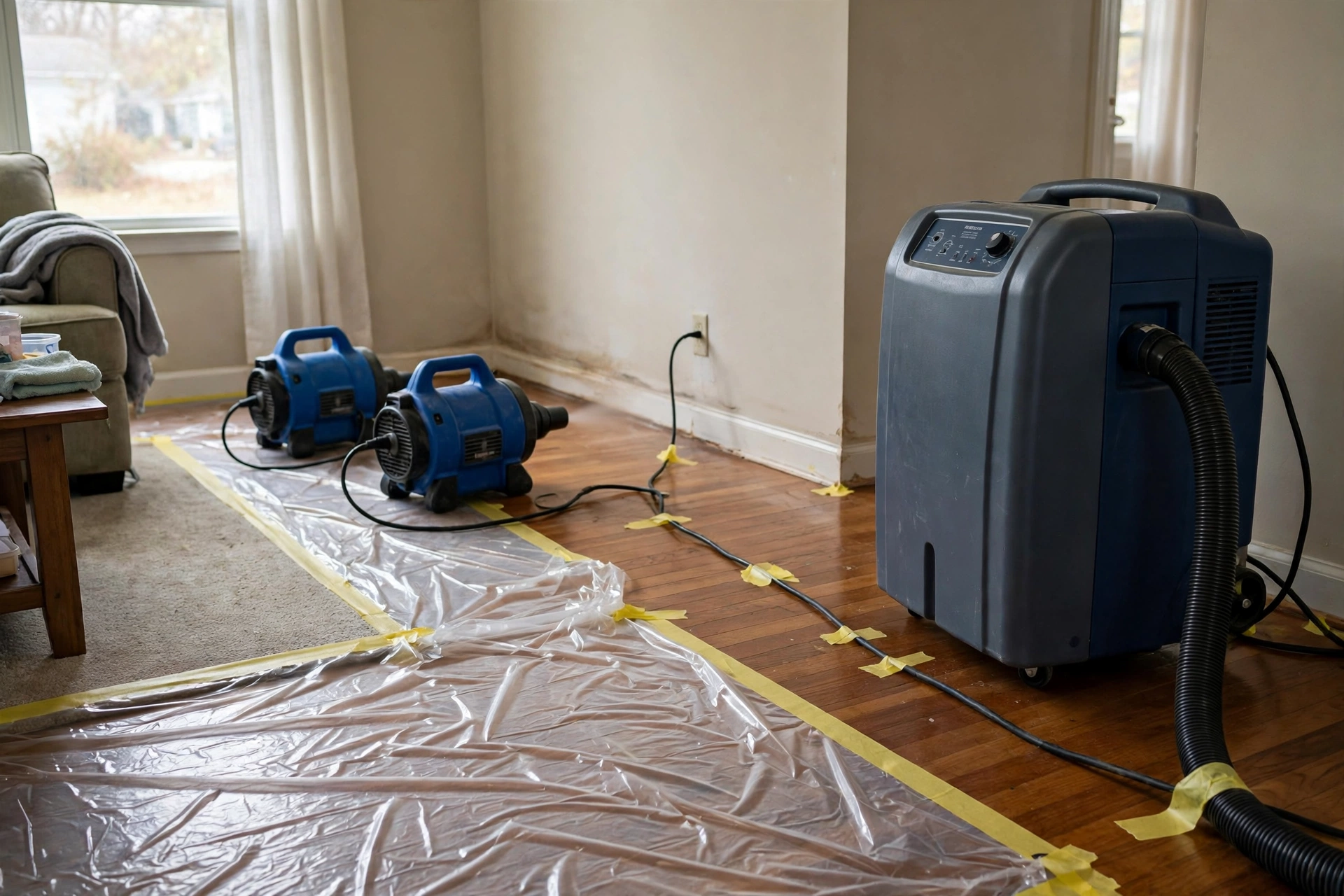
Industrial air movers and commercial dehumidifiers dry the remaining structure to verified standards. Storm losses often involve saturated framing and subfloor, so drying runs longer than clean-water jobs — and it's verified with the same moisture meters, not guesswork.
Every surface that contacted floodwater is cleaned and disinfected with professional-grade products. HVAC systems that took on water are evaluated before restart. This step is what makes the home safe to reoccupy — it's never skipped with Category 3 water.
Technicians verify dryness with moisture readings, confirm sanitizing coverage, and apply deodorizers for the musty and sewage odors floods leave behind. Documentation — moisture logs, photos, work records — supports your insurance claim.
Storm flooding means deeper water, heavier contamination, and more debris than any indoor leak. Here's what professional crews bring to handle it:

Storm floods saturate entire floors at once, so the equipment scales up: submersible pumps for depth, truck-mounted extractors for volume, and rows of air movers and dehumidifiers for drying.
Household wet-vacs and box fans can't move this much water or moisture — the gap is measured in days of extra drying and mold risk.
| Equipment | What It Does | Why DIY Falls Short |
|---|---|---|
| High-capacity submersible pumps | Move hundreds of gallons per hour of debris-laden floodwater out of structures | Consumer pumps clog on debris and can't stage-drawdown safely against groundwater pressure |
| Truck-mounted extractors | High-powered vacuum systems that pull residual water from surfaces, subfloor, and framing after pumping | Shop vacuums hold gallons, clog on silt, and lack the lift for structural extraction |
| Protective equipment & containment | Respirators, suits, and containment barriers that keep Category 3 contamination from spreading during removal | No homeowner kit replicates professional contamination control |
| Industrial air movers | Generate high-velocity airflow that evaporates moisture from saturated framing and subfloor | Household fans can't dry structural materials and just spread musty air |
| Commercial dehumidifiers | Pull large volumes of moisture from the air in humid post-storm conditions | Home units are comfort appliances — they can't handle structural drying loads |
| Moisture meters & infrared cameras | Map hidden saturation in walls, floors, and cavities after floodwater recedes | Without them, hidden moisture behind "dry-looking" surfaces gets missed — and molds |
The industry's contamination categories exist because water's history determines its danger — and storm water's history is always suspect. Water that has crossed streets, yards, and sewer systems carries bacteria, viruses, chemicals, and parasites that no visual inspection can rule out. Industry practice treats all outdoor-origin floodwater as Category 3 regardless of how clear it looks, because the one time you guess wrong is the time someone gets seriously ill.
This classification changes everything downstream. Category 1 water can often be dried in place; Category 3 water means affected carpet pad, insulation, and drywall get removed. Cleaning shifts from "wipe down" to professional disinfection. Workers wear full protective gear. And the home isn't considered restored until sanitizing is verified complete. When a company treats your storm flood as a routine wet-vac job, that's a red flag — proper Category 3 protocol is non-negotiable.

Texas sits where Gulf moisture collides with dry western air — and much of the state is paved, sloped, or clay-soiled, so rain runs off instead of soaking in.
That's why flash flooding here can turn streets into rivers in under an hour, and why ground-floor homes flood even far from any creek or bayou.
Texas doesn't just get storms — it has the geography, soil, and development patterns that turn storms into floods. Understanding the machinery helps you respect the water.
Central Texas sits in one of the most flash-flood-prone regions on earth. Warm, moist air streaming in from the Gulf hits the Balcones Escarpment — the fault-line ridge running through the Hill Country — and is forced upward, wringing out rainfall at rates that overwhelm every drainage system. Storms can drop several inches per hour on watersheds that respond in minutes, not hours. Creeks that are dry in August become deadly in May. This is why flash flood deaths concentrate here: the water arrives faster than warnings can travel.
The same dynamic, softened, plays out statewide. Slow-moving tropical systems stall over the coastal plain and dump foot-level rainfall totals — Hurricane Harvey's 2017 deluge over Southeast Texas remains the benchmark for what stalled tropical moisture can do to a metro area built on flat, clay-soiled ground.
Much of Texas sits on heavy clay that absorbs water at a glacial pace. When rain falls faster than the soil can take it — which is nearly always in a real storm — the excess becomes runoff, and runoff becomes flooding. Flat coastal topography means that runoff has nowhere to drain quickly; water spreads sideways into neighborhoods instead of flowing away.
Development amplifies everything. Every new subdivision replaces absorbent prairie with roofs, driveways, and streets — impervious surfaces that convert rainfall directly into runoff. Older drainage infrastructure, designed for a smaller, drier city, gets overwhelmed by storms it was never sized for. The result: neighborhoods that never flooded a generation ago now take on water in ordinary severe thunderstorms.
When floodwater drains away, the visible emergency ends — and the hidden one begins. Saturated framing, subfloor, and wall cavities start growing mold within 24 to 48 hours in Texas heat and humidity. Mud and silt left behind hold moisture against surfaces and feed microbial growth. Electrical systems that were submerged corrode. This is why professional storm response doesn't end at pumping: the extraction, material removal, structural drying, and disinfection sequence exists because a home that merely "dried out on its own" after a flood is a home storing up problems for months. The crews that document with moisture meters and verify with readings are the ones whose work holds up.
Storm threats vary dramatically across Texas. Our city guides cover the specific risks, neighborhoods, and response details for each community we serve:
West Texas supercells drop violent hail and inches of rain in an hour — playa lakes overflow and streets become rivers across the South Plains. See Lubbock emergency extraction →
Panhandle thunderstorms and rapid snowmelt send flash floods through High Plains draws and low crossings. See Amarillo emergency extraction →
North Texas tornadoes and hailstorms tear open roofs — then the rain pours straight in across DFW's northern corridor. See Denton emergency extraction →
East Texas sits in the path of tropical remnants — slow-moving systems that drown the piney woods in days of rain. See Tyler emergency extraction →
Central Texas flash floods strike with minutes of warning in Flash Flood Alley — creeks become walls of water. See Killeen emergency extraction →
Yes. The restoration industry classifies all outdoor-origin floodwater as Category 3 (black water) because it carries sewage, chemicals, bacteria, and microorganisms picked up crossing streets, yards, and sewer systems. It can cause serious illness through skin contact, ingestion, or open wounds. Keep everyone — including pets — away from it, and never attempt cleanup yourself.
It's risky on two fronts. First, pumping against high outside groundwater too fast can cause foundation walls to collapse from external water pressure — professionals stage the drawdown. Second, handling Category 3 water without protective equipment exposes you to genuine health hazards. Staged professional pumping is the safe route.
As soon as it's safe to re-enter — and not before. Downed power lines, structural damage, and contaminated water make post-hurricane buildings dangerous. Once authorities clear re-entry, extraction should begin immediately: mold can start within 24 to 48 hours, and every day of delay expands what must be removed rather than dried. Call (866) 316-5715 as soon as you're back.
It depends on the water's path. Wind-driven rain entering through storm-damaged roofing is typically covered under standard homeowners policies. Rising floodwater — storm surge, overflowing creeks, flash floods — is generally excluded from standard policies and requires separate flood insurance. Document everything with photos and review your policy to see which coverage applies.
Professionals work in full protective equipment, remove affected porous materials (carpet pad, insulation, contaminated drywall), extract all residual water and silt, then clean and disinfect every surface the floodwater touched with professional-grade products. HVAC systems are evaluated before restart. The home isn't considered restored until sanitizing is verified complete.
Mold is the second emergency. It can begin colonizing saturated materials within 24 to 48 hours in Texas heat and humidity. Professional storm response pairs extraction with complete structural drying — verified by moisture meters, not by feel — plus antimicrobial treatment of affected areas. A home that merely "dried out on its own" after a flood is storing up mold problems for months.
People use the terms loosely, but the distinction matters for insurance: "storm water" often means rain-driven water entering through wind-damaged roofing or windows, while "floodwater" means water rising from the ground — surge, overflowing waterways, flash floods. For cleanup, both are treated as Category 3; for insurance, floodwater typically requires separate flood coverage.
Stay out of the water — then connect with a verified Texas pro for emergency extraction, structural drying, and sanitizing.
📞 Call (866) 316-5715