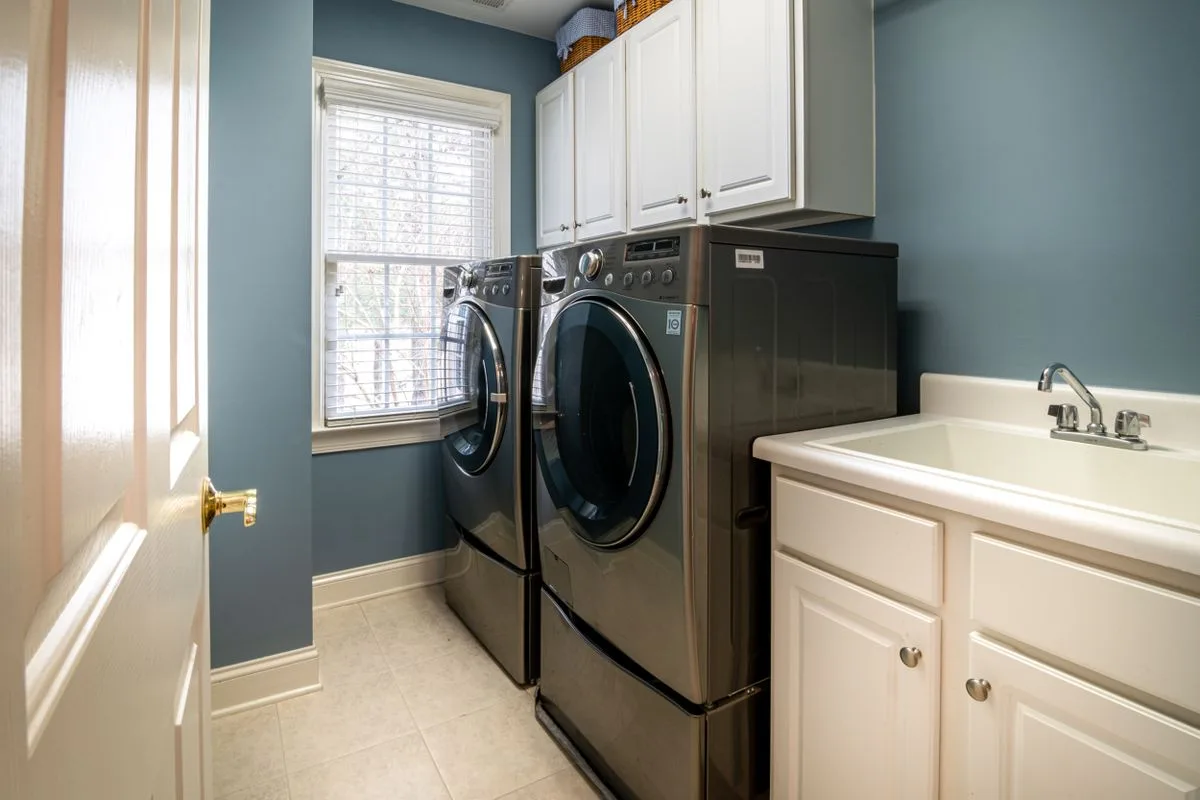
Washing machines, dishwashers, water heaters, and ice-maker lines cause more indoor floods than storms β and slow leaks hide until the damage is done. Here's the professional extraction process.
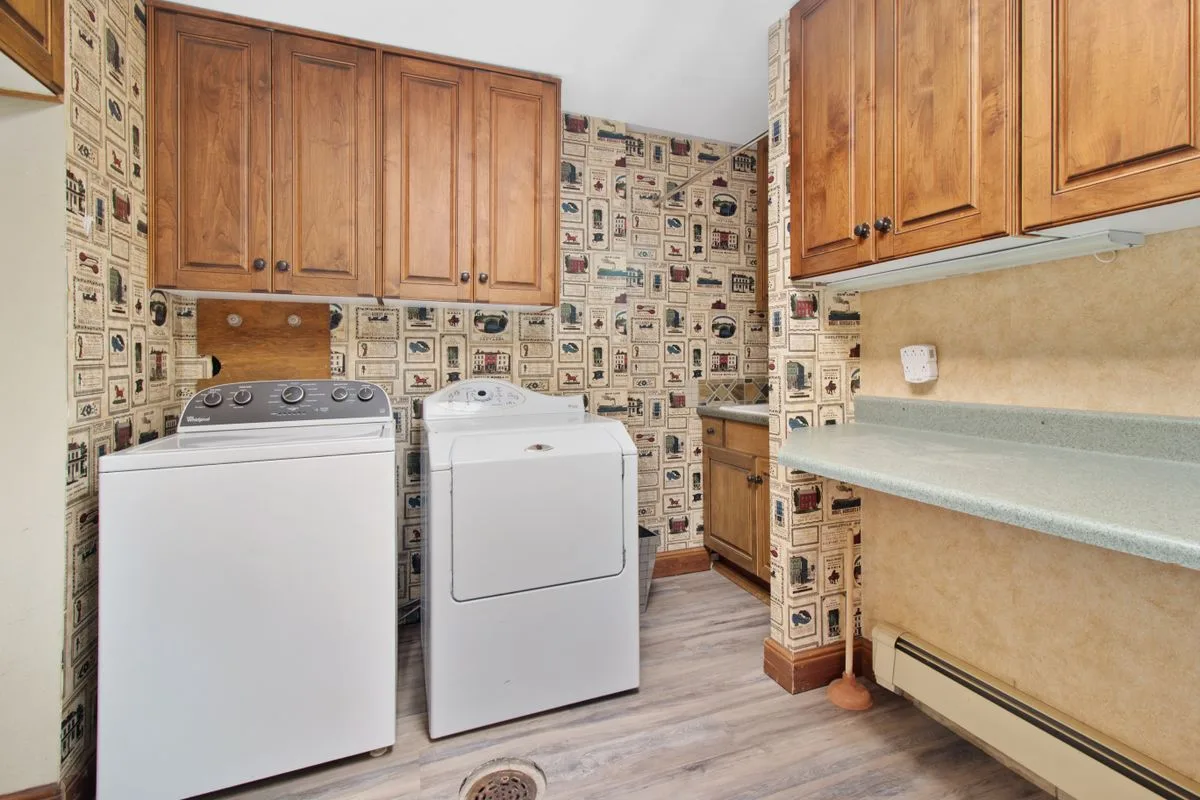
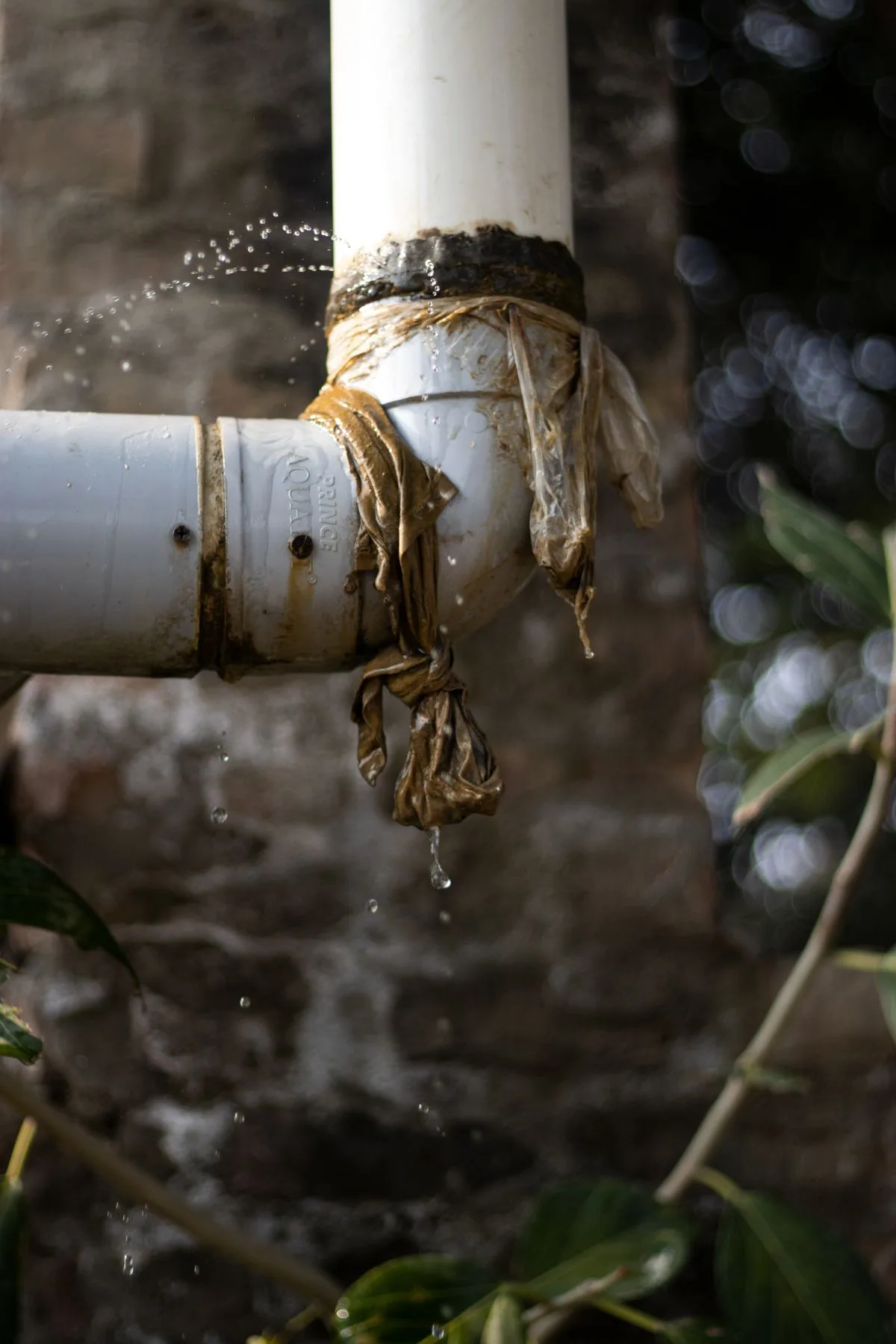
Here's what makes appliance leaks different from every other water emergency: the supply lines are under full water pressure twenty-four hours a day. A washing machine's hot and cold hoses, a dishwasher's supply line, an ice-maker's thin plastic tube β all of them hold back municipal water pressure constantly, for years. When one fails, it doesn't drip politely. A burst washer hose can discharge hundreds of gallons per hour, and it keeps flowing until someone shuts the valve β which is often behind the machine, in a closet, or at the main.
The second problem is concealment. Appliances sit against walls, inside cabinets, and in tight closets β exactly the places you never look. A dishwasher can seep for months under the cabinets, rotting the subfloor and feeding mold, before anyone notices the musty smell or the soft spot in the flooring. Particle-board cabinet bases wick water like a sponge. And in Texas's slab-on-grade homes, there's no basement to catch the water visibly β it spreads laterally across the slab, under flooring, into wall bases, quietly. By the time an appliance leak is discovered, extraction is only half the job; finding everywhere the water went is the other half.
Four appliances β plus the valves and lines feeding them β account for the large majority of indoor appliance floods. Know your home's lineup:

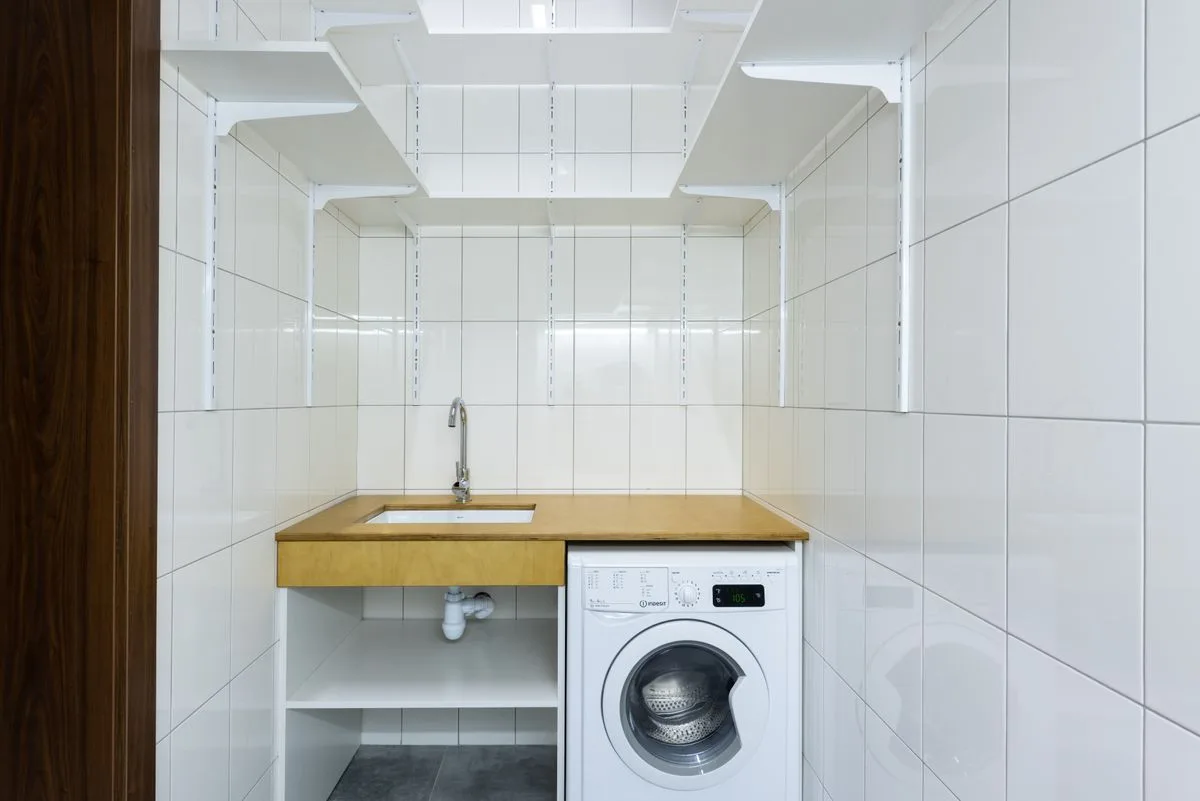
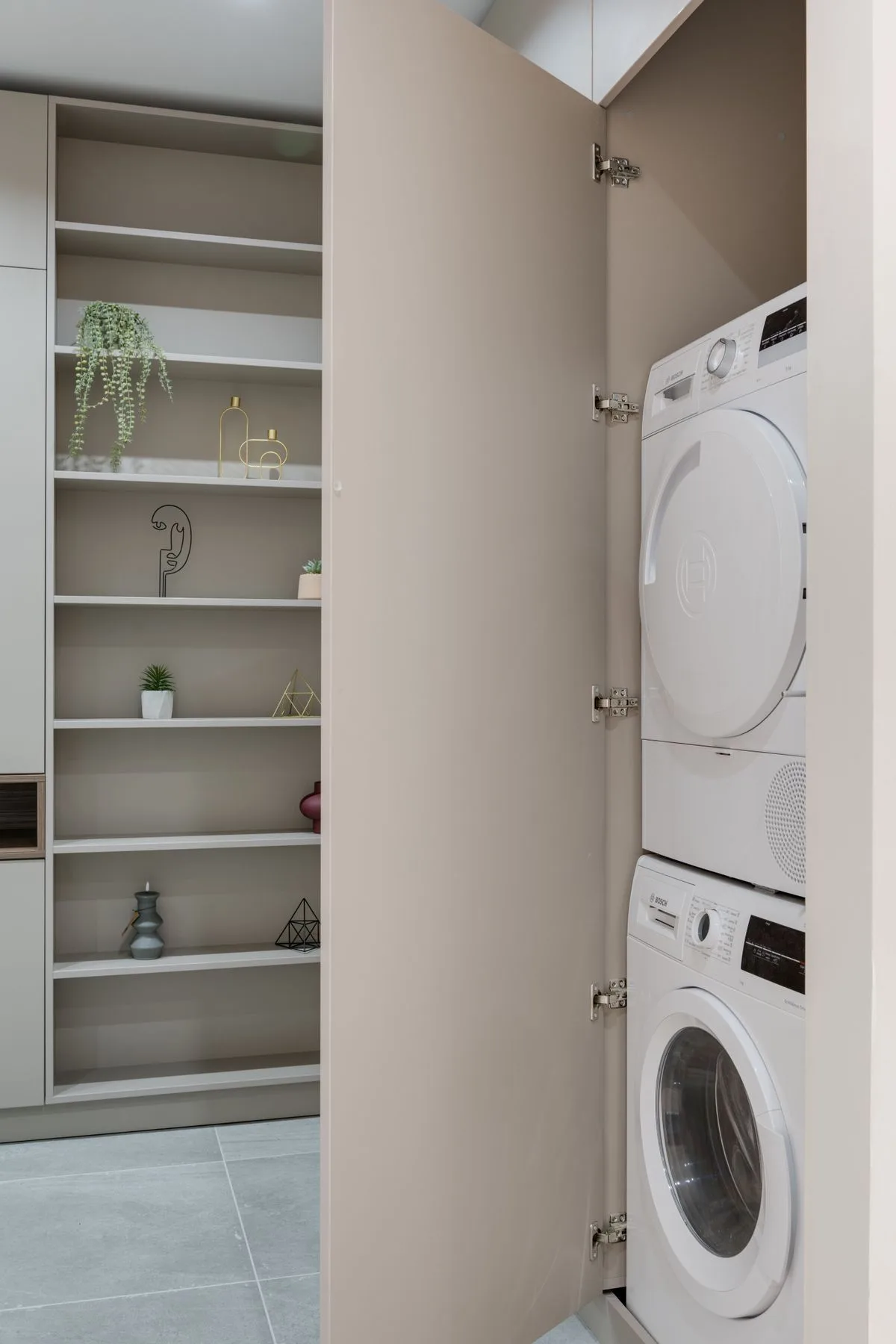
The number-one appliance flood source in American homes. Rubber supply hoses age, bulge, and eventually burst β often while nobody's home β releasing full-pressure water until the valve is closed. Hoses tucked behind the machine can't be inspected without pulling it out, so failures arrive without warning. Know where your washer's shutoff valves are before you need them.

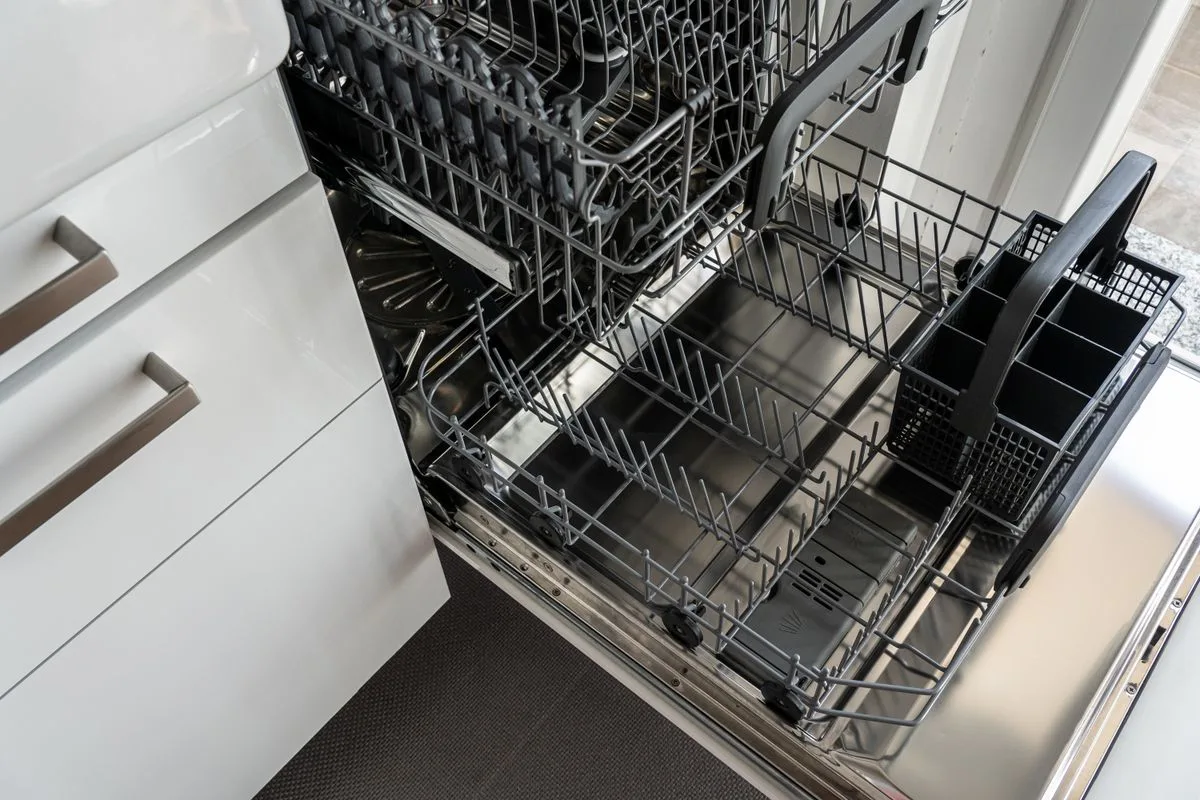
Worn door gaskets, loose drain hoses, and cracked tubs let dishwashers leak slowly under the cabinets β the sneakiest appliance failure there is. Because the damage hides beneath cabinetry, dishwasher leaks are often discovered during a remodel or when the kitchen floor starts to give. By then, the subfloor and cabinet bases may be rotted through.

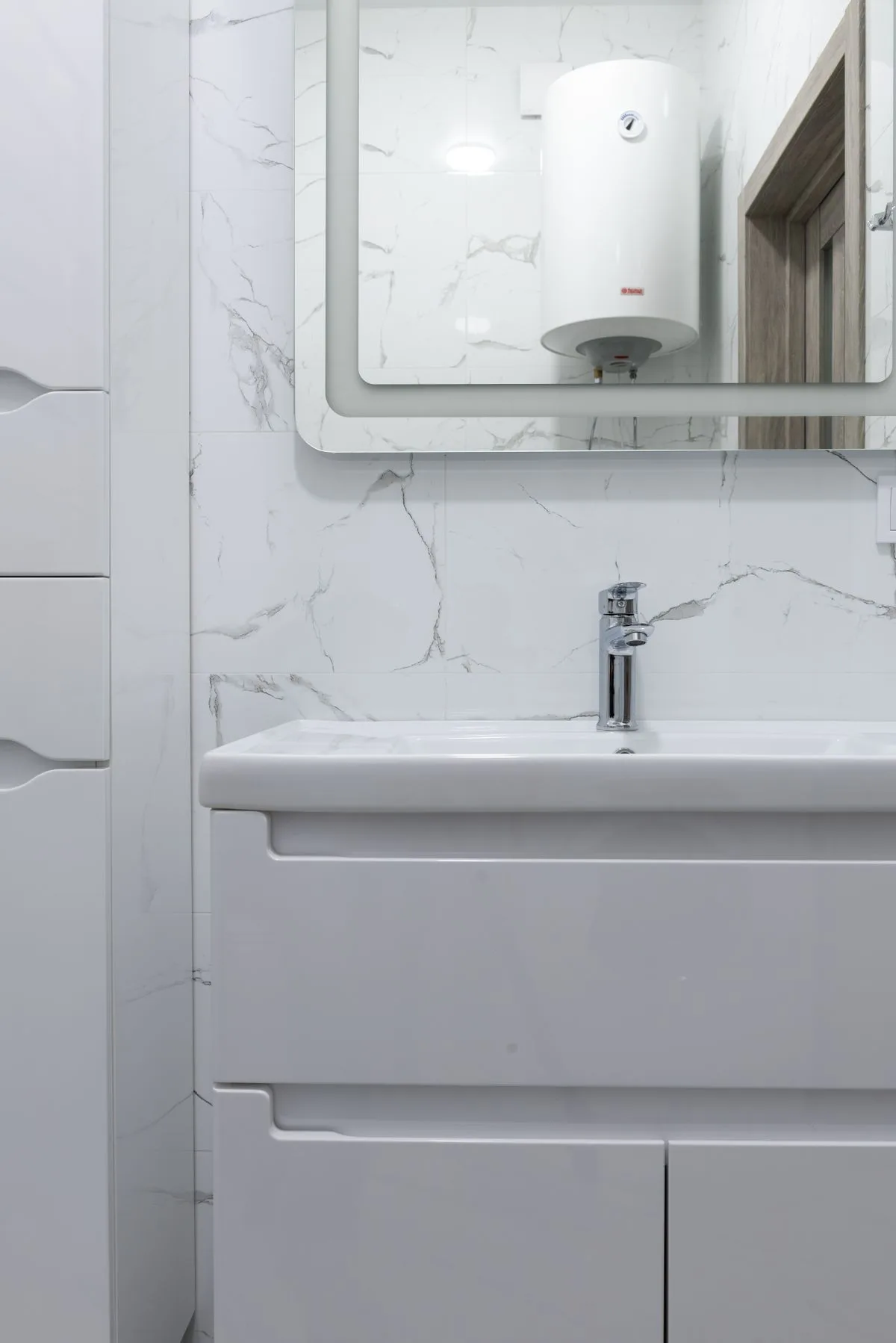
Tank water heaters corrode from the inside out β Texas hard water leaves mineral sediment that accelerates the process. When a tank lets go, it releases its entire contents at once: tens of gallons across a garage, utility closet, or attic in minutes. The temperature-and-pressure relief valve can also discharge if it fails. Heaters in attics are the worst case, flooding ceilings below.

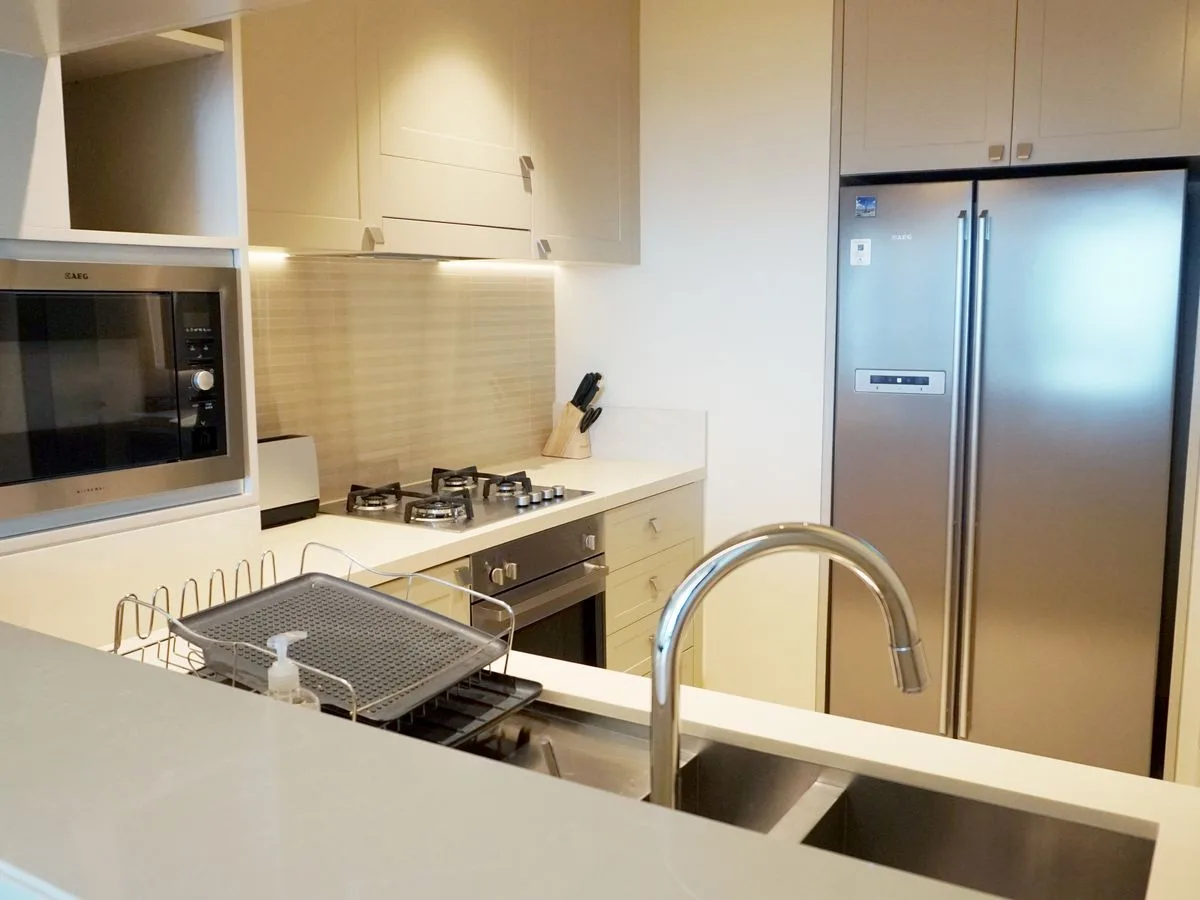
The thin quarter-inch plastic line feeding an ice maker or water dispenser is easy to kink, crack, or pull loose when the fridge is moved for cleaning. The resulting drip runs behind the refrigerator β invisible β soaking the flooring and the wall behind it. Copper lines fare better than plastic, but the saddle valves installers love to use are notorious leakers.

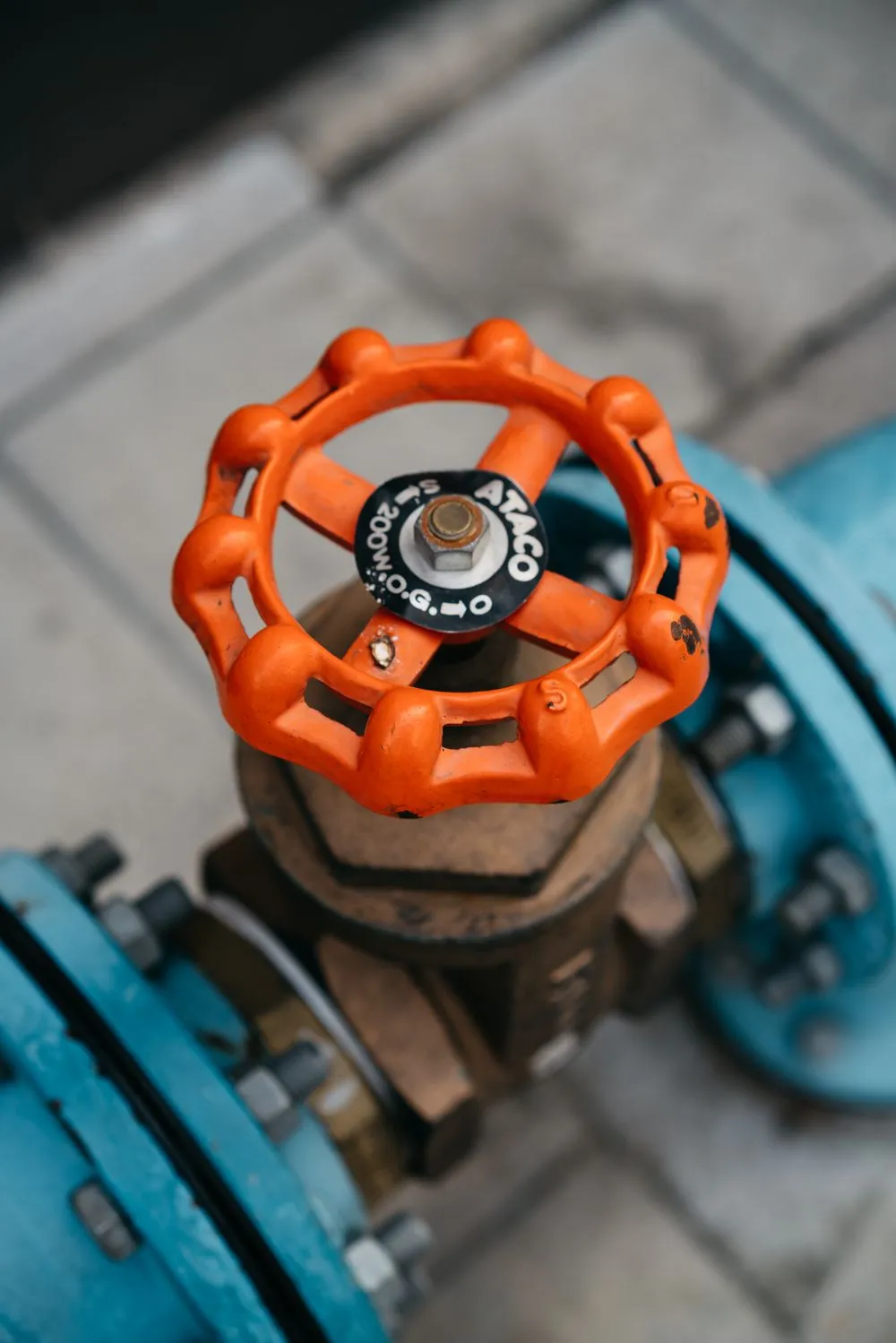
Angle-stop valves under sinks and behind toilets corrode and seize; when you finally need one in an emergency, it won't turn. Compression fittings loosen with vibration and temperature cycles. Every fixture valve in the house is a potential failure point β and a working, accessible shutoff is the difference between a puddle and a flood.

Stacked units in closets, dishwashers under counters, fridges against walls β appliances live in the least-inspected square footage of your home. Leaks there run down walls, pool under units, and wick into baseboards for weeks before surfacing. No drain pan, no leak detector, no visibility: that's the recipe for a surprise five-figure repair.
Texas conditions are genuinely hard on water-using appliances. These are the local accelerants:
What a professional crew actually does when an appliance floods your home:

Appliance floods look small from the doorway β but water spreads under flooring and into wall bases fast, so the professional sequence starts with finding all of it.
From source shut-off to moisture mapping to verified drying, here's exactly what the crew does.
Electrical hazards are checked first β water plus appliances is dangerous. Then the source is stopped: the appliance's own supply valve, or the home's main shutoff if valves are seized or unreachable. A burst hose that keeps running undoes every minute of extraction.
The crew classifies the water. Fresh supply-line water starts as Category 1 (clean); dishwasher discharge is Category 2 (gray) from the start; anything that sat over 48 hours has degraded. The category determines protective measures and what can be salvaged.
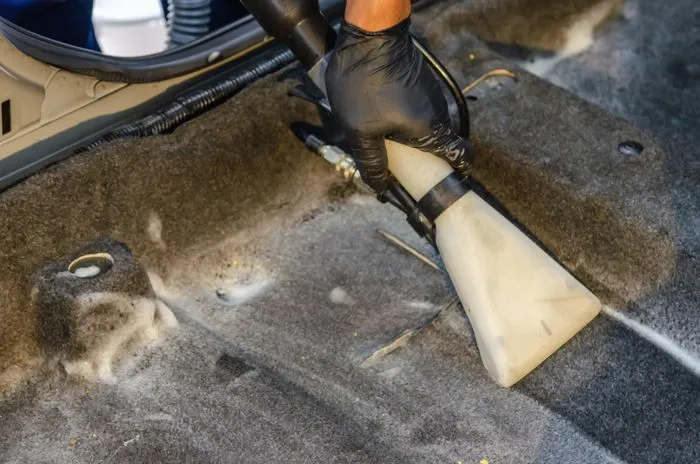
Truck-mounted extractors and submersible pumps remove standing water β including from under and behind the appliance, where weighted extraction tools press water out of carpet and pad that mops and towels can't reach.
Penetrating meters and infrared cameras trace where the water actually went: behind the appliance, inside wall cavities, under flooring, into cabinet bases. Appliance leaks are masters of hidden migration β the map, not the eye, decides the drying plan.
Saturated carpet pad, swollen particle-board cabinet bases, and delaminated subfloor are removed β they don't dry back to structural integrity. Solid wood, tile, and intact drywall are typically dried in place and salvaged.
Industrial air movers and commercial dehumidifiers dry framing, subfloor, and wall cavities per the moisture map. Equipment placement is calculated from readings, and daily monitoring continues until materials hit verified dry standards.
Gray-water appliance leaks (dishwashers, washing machines) get antimicrobial treatment on affected surfaces to discourage bacterial and mold growth. Clean-water leaks that were extracted fast typically need less β but hidden, long-running leaks are treated with the same seriousness as gray water.
Final moisture readings confirm the structure is truly dry, and the crew documents everything for your records. They'll also flag what failed β seized shutoff, rubber hoses, missing pan β so the same appliance doesn't flood you twice.
You can't prevent every failure, but a short list of habits and upgrades eliminates the most common ones:
Appliance floods are just one category. For the full emergency process β equipment, water categories, and the first-30-minutes checklist β see our emergency water extraction guide. If wastewater is backing up through drains or toilets instead, that's a different and more hazardous emergency: our sewage backup extraction guide covers the Category 3 protocol.

Every appliance has a supply valve β behind the washer, under the sink, beside the water heater. Closing it stops the flood at the source.
Then follow the checklist below: power off to wet areas, move what's salvageable, and leave the rest to the crew.
Appliance risks vary with local water hardness, housing stock, and climate. Our city guides cover the specifics for each community we serve:
West Texas hailstorms shred roofs and hard freezes burst pipes across the South Plains. See Lubbock emergency extraction β
Panhandle blizzards, freeze-thaw pipe failures, and giant hail define High Plains water emergencies. See Amarillo emergency extraction β
DFW's notorious hail season and tornadoes tear open roofs north of DallasβFort Worth. See Denton emergency extraction β
East Texas downpours, tropical remnants, and piney-woods humidity drive Rose City flooding. See Tyler emergency extraction β
Central Texas flash floods strike with minutes of warning in Flash Flood Alley. See Killeen emergency extraction β
Shut off the washer's supply valves (usually right behind the machine) or your home's main shutoff if you can't reach them safely. If water is near outlets, cut power to the area from a dry location β never stand in water near electricity. Then call (866) 316-5715; a burst hose flows until the valve closes, so speed matters.
Yes β slow leaks are often worse than dramatic ones because they hide. A dishwasher seeping under cabinets for months rots the subfloor, destroys particle-board cabinet bases, and grows mold, all invisible until the floor softens or the smell surfaces. These are frequently discovered during remodels, long after the damage compounded.
A ruptured tank releases its entire contents at once β standard residential tanks hold tens of gallons, so a failure floods the surrounding room in minutes. Heaters in attics are the worst case, sending water down through ceilings. Fast extraction the same day gives flooring and framing the best chance of being saved.
Fresh supply-line water starts as Category 1 (clean), but it degrades β within about 48 hours of contacting building materials it becomes Category 2 (gray). Dishwasher and washing machine discharge is Category 2 from the start. The category determines protective measures and what materials can be salvaged.
Only if you can do it completely dry β dry hands, dry floor, dry outlet. If there's any standing water near the appliance or the outlet, don't touch it; cut power at the breaker from a dry location instead, or leave it entirely for the crew. Electrocution is a real risk with wet appliances.
Sudden, accidental failures β a burst hose, a ruptured tank β are typically covered. Slow leaks that ran for months are often excluded as maintenance issues, which is another reason to catch drips early. Document everything with photos and keep the crew's moisture logs for your claim.
With penetrating and non-penetrating moisture meters plus infrared cameras, which reveal cold, damp areas inside wall cavities and under flooring that look perfectly dry. The appliance is typically pulled out so the wall and floor behind it can be measured directly β that's where the worst of an appliance leak usually hides.
Connect with a verified Texas pro for appliance leak extraction, hidden-moisture mapping, and structural drying.
π Call (866) 316-5715