Does Homeowners Insurance Cover Water Damage in Texas?
The honest answer is: it depends on how the water got in, how fast it happened, and what your own policy says. Here is how Texas homeowners policies usually treat water damage, what is commonly excluded, and how to document a claim properly.
Direct answer: A typical Texas homeowners policy often covers water damage that is sudden and accidental — a burst pipe, a washing machine hose that fails without warning, or rain that enters through a roof damaged by a storm. It usually does not cover flooding from rising water outside the home, water damage that developed gradually over weeks or months, or damage caused by a lack of maintenance. Flood coverage requires a separate flood policy. Policies vary a great deal, so always check your own policy wording and ask your agent before assuming any outcome.
Sudden vs Gradual: The Distinction That Decides Most Claims
Almost every water damage claim in Texas turns on one question: did this happen suddenly, or did it develop over time? Insurers draw a firm line here, and understanding that line before you file will save you confusion and disappointment later. Sudden and accidental damage means something broke or failed without warning and released water into your home. A supply line that splits open, a water heater tank that ruptures, a pipe that bursts during a freeze — these are the classic examples. The damage was not foreseeable in the ordinary sense, and the homeowner could not reasonably have prevented it by routine upkeep.
Gradual damage is the opposite. It is water that seeped, dripped, or leaked slowly over a long period — a shower valve that dripped behind a wall for months, a roof flashing that failed years ago and let rain in a little at a time, a toilet seal that seeped until the subfloor rotted. Insurers generally treat gradual damage as a maintenance issue, and maintenance issues are excluded from nearly every homeowners policy. The reasoning, from the insurer's side, is that the damage was preventable: a homeowner who inspects and maintains the home would have caught it earlier. Whether that is fair in your particular case is a separate question, but it is how the exclusion is usually applied.
The tricky cases sit between those two poles, and Texas homes produce plenty of them. A slow leak inside a wall cavity can look sudden when it finally breaks through the drywall, even though it has been dripping for months. A roof leak may only become visible during a major storm, even though the flashing failed long before. In these borderline cases, the evidence matters more than the story: when the leak started, what the moisture readings show, whether a plumber or roofer can date the failure, and whether you have records of past repairs. Adjusters look for signs of long-term exposure — staining patterns, rot, corrosion, mineral buildup — and they weigh those signs against your account of when the problem began. This is why documenting the damage as found, before cleanup, is so important, and why a professional moisture mapping assessment can matter: a moisture map shows where water traveled and how deeply materials are affected, which helps establish what happened and when.
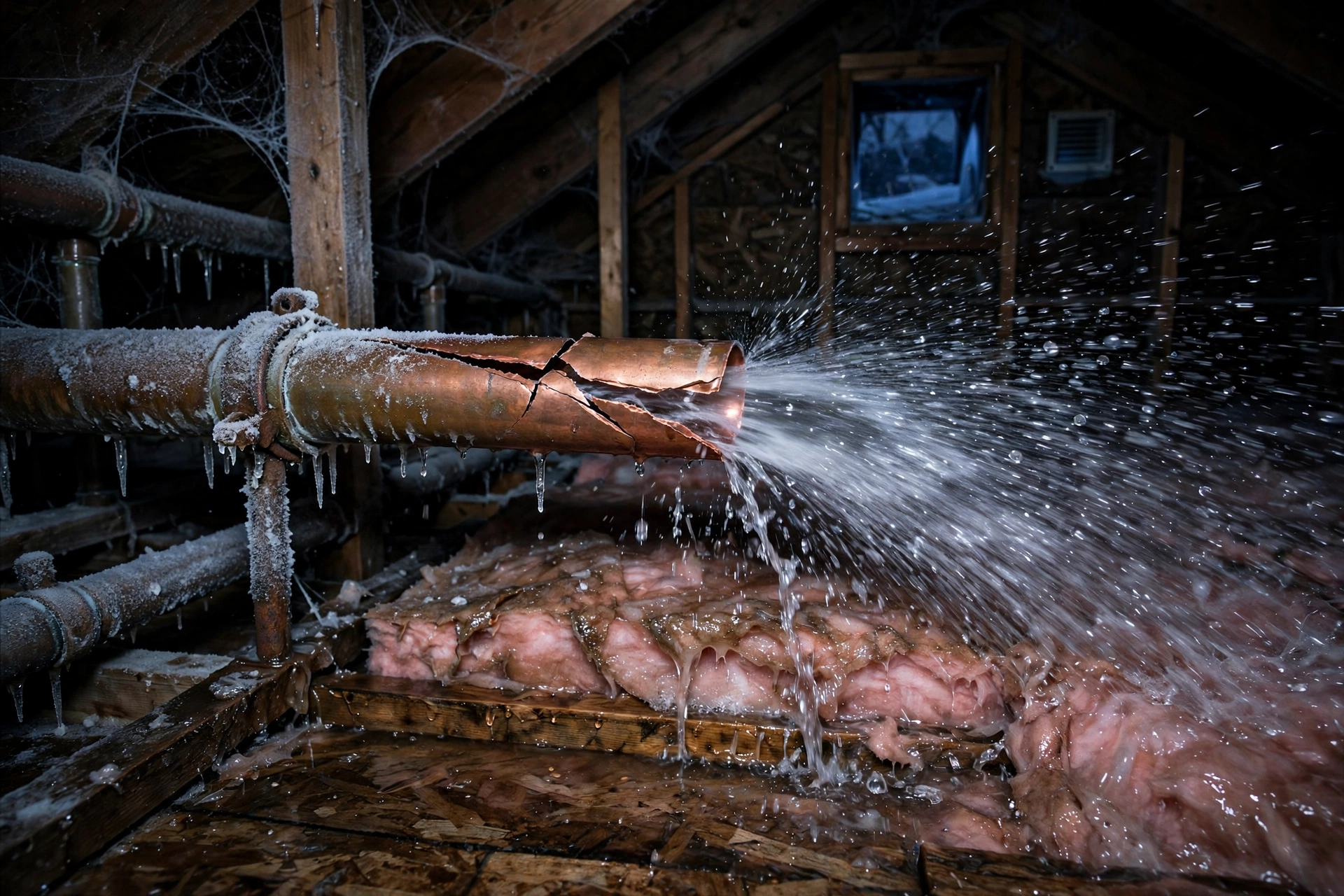
A burst pipe is the textbook example of sudden and accidental damage: a pipe fails without warning and releases water fast.
That suddenness is exactly what typical policies are written to cover — unlike a slow drip that continues for months unnoticed, which insurers usually classify as gradual damage and exclude. If a pipe bursts in your home, see our guide to burst pipe water extraction in Texas.
There is one more distinction worth knowing: the difference between the water event itself and the damage it causes. A policy may cover the resulting damage — wet drywall, ruined flooring, a soaked ceiling — while not covering the repair of the thing that failed, such as the worn-out pipe or the aging roof. This is sometimes called the distinction between the loss and its cause. In plain terms, your policy may pay to repair the wall the burst pipe soaked, but not to replace the pipe itself if it failed from age or wear. Endorsements and policy forms change these details, which is one more reason to read your own declarations page and exclusions rather than relying on general guidance alone.
What a Typical Texas Homeowners Policy Covers
Texas homeowners policies come in several forms, and the most common standard form covers the dwelling and personal property against a list of named perils that includes sudden and accidental discharge of water from plumbing, heating, air conditioning, and household appliances. In practice, that means the following kinds of events are often covered, subject to your deductible and your policy's limits and exclusions:
Burst or Frozen Pipes
A pipe that bursts suddenly — including during a Texas freeze — and the resulting water damage to walls, floors, and belongings are commonly covered, provided the home was heated or reasonable care was taken. See burst pipe extraction for what the cleanup involves.
Appliance Failures
A washing machine hose that ruptures, a dishwasher supply line that fails, or a water heater tank that splits open without warning are typically treated as sudden and accidental events. The resulting damage is often covered; the failed appliance itself may not be.
Plumbing Overflows
An accidental overflow from a plumbing fixture, such as a toilet or tub, is often covered when the overflow is sudden and not caused by a long-standing blockage or neglected maintenance.
Storm-Driven Rain Through a Damaged Roof
When wind or hail damages your roof during a storm and rain then enters through that opening, the resulting interior water damage is commonly covered. The key is the storm-created opening: rain entering through a roof that was already worn out is a different story.
Air Conditioning Condensate Leaks
A sudden overflow from an air conditioning drain system is often covered, though some policies limit or exclude this unless an endorsement is added. Texas homes run air conditioning most of the year, so this is worth checking in your own policy.
Water Damage From Firefighting
Water used to put out a house fire is part of the fire claim in most policies. If a fire is a covered peril, the water damage caused while extinguishing it is generally covered along with the fire damage itself.
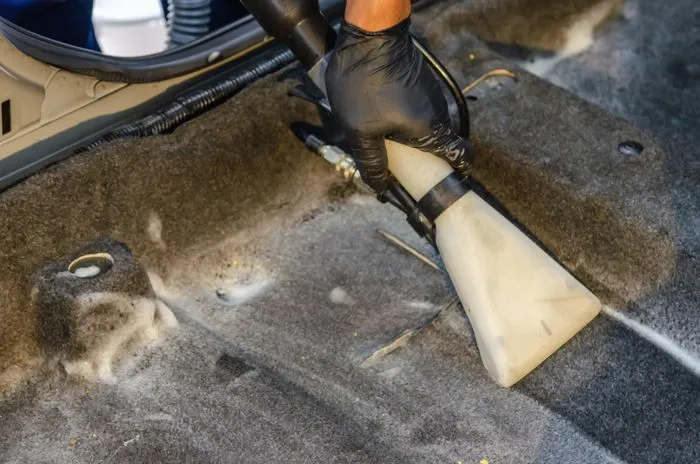
Whatever the cause, fast professional extraction is what keeps a covered loss from becoming a much larger one.
Standing water that sits for days soaks deeper into structure and invites mold — and insurers notice when mitigation was delayed. Our first 24 hours guide explains what to do immediately after discovering water damage.
Beyond the event itself, many policies also cover the reasonable steps you take to protect the home after the damage — emergency water extraction, drying, and temporary repairs such as tarping a damaged roof or boarding a broken window. Insurers generally expect you to mitigate further damage, and in many policies you are required to do so. Keep receipts for every emergency service and temporary repair, because those records support both the claim and the argument that you acted responsibly. Also note that personal property — furniture, electronics, clothing — damaged by a covered water event is often covered under the personal property portion of the policy, subject to its own limits and any special sub-limits for items such as jewelry or electronics.
Exclusions
What Is Typically Excluded From Texas Homeowners Policies
Exclusions matter just as much as coverage, and water damage claims are denied more often over exclusions than over anything else. These are the exclusions Texas homeowners run into most often:
Flooding from rising water
Rising water from outside the home — a river overflowing, a bayou backing up, storm surge, or flash flooding that enters through doors and windows — is excluded from standard homeowners policies. This is the single most misunderstood exclusion in Texas, a state where hurricanes, tropical storms, and flash floods are regular events. Flood damage requires a separate flood insurance policy, available through the National Flood Insurance Program or a private flood insurer. If you live anywhere near a floodplain, a bayou, or the Gulf Coast, do not assume your homeowners policy covers a flood — it almost certainly does not. Our guide to flood and storm water extraction in Texas explains what the cleanup involves after rising water enters a home.
Gradual leaks and seepage
Water that leaked slowly over weeks, months, or years — a dripping pipe joint, a seeping shower pan, groundwater seeping through a foundation — is generally excluded as gradual damage or maintenance neglect. Even if the damage is discovered suddenly, the insurer will ask how long the water was present, and signs of long-term exposure usually lead to a denial of that portion of the claim.
Maintenance and wear and tear
Damage caused by failing to maintain the home is excluded: a roof that was never repaired, gutters that were never cleaned, caulking that was never replaced, or plumbing that was never serviced. Insurers expect homeowners to keep the property in reasonable repair, and damage traced to that failure is the homeowner's responsibility.
Sewer and drain backup — unless endorsed
Water backing up through sewers or drains is excluded from many standard policies unless a specific endorsement has been added. Texas storms that overwhelm municipal drainage make this a real risk, and the endorsement is one of the most important add-ons for Texas homeowners to ask about. See our page on sewage backup extraction for what this kind of loss involves.
Mold limits
Mold coverage is often limited in Texas policies, sometimes to a specific sub-limit or to mold that results directly from a covered water event. Mold that grew from a gradual leak or from a flood is usually not covered at all. Our guide to mold after water damage in Texas explains how drying and documentation affect this question.
Foundation and earth movement
Damage from earth movement, settling, and in many policies foundation movement itself is excluded or heavily limited. Texas clay soils expand and shrink with moisture, which makes foundation issues common — and commonly excluded. Some policies offer limited foundation coverage by endorsement, so this is worth a direct question to your agent.
Rising water like this is the classic flood exclusion: it comes from outside the home, not from a pipe or appliance inside it.
Standard homeowners policies do not cover it, no matter how severe the storm. Only a separate flood policy covers damage from rising water, which is why Texans near bayous, rivers, and the coast are urged to review their flood coverage before storm season.
One exclusion deserves special attention because it surprises people: the difference between water that enters through a storm-created opening and water that enters through an existing weakness. If hurricane winds tear off shingles and rain pours in, the interior damage is typically covered. If rain enters through a roof that was already missing shingles and had been leaking for a year, the insurer may argue the opening was pre-existing and deny the claim. The same logic applies to windows, doors, and siding. After any storm, photograph the damage to the exterior as well as the interior — those photos are evidence that the opening was created by the storm.
Texas specifics
Texas-Specific Notes: Windstorm, TWIA, Endorsements, and Deductibles
Texas is not like other states when it comes to homeowners insurance, and three Texas-specific features shape water damage claims more than anything else: windstorm coverage along the coast, the Texas Windstorm Insurance Association, and the way deductibles are structured for wind and hail.
Along the Gulf Coast, windstorm and hail coverage is often handled separately from the rest of the policy. In designated coastal areas, some standard carriers exclude windstorm and hail entirely, and homeowners in those areas may obtain that coverage through the Texas Windstorm Insurance Association, known as TWIA, which provides windstorm and hail coverage in the state's designated catastrophe area for property owners who cannot obtain it in the private market. If you live in a coastal county, find out whether your windstorm coverage comes from your main carrier or from TWIA, and whether your policy treats wind-driven rain differently from other water damage. TWIA policies have their own terms, deadlines, and claims procedures, so do not assume a TWIA windstorm claim works exactly like a standard homeowners claim.
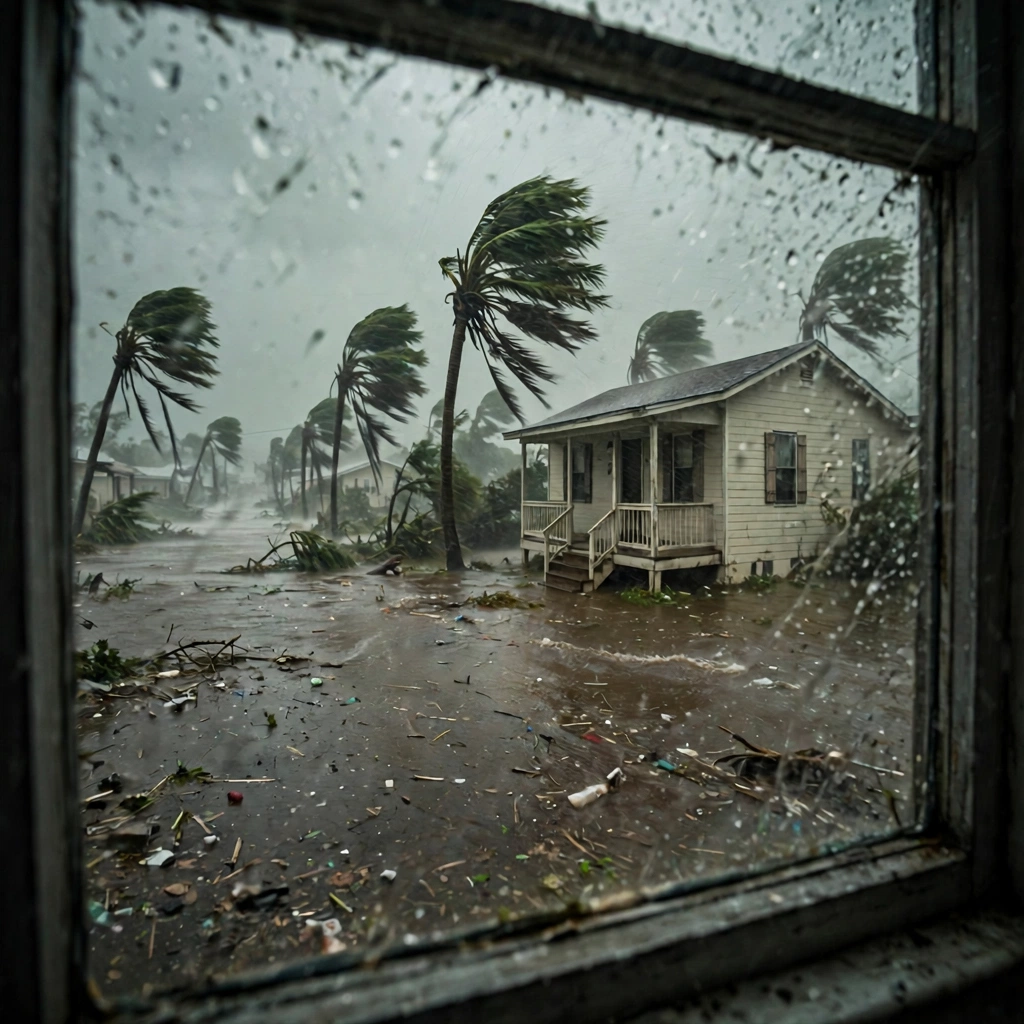
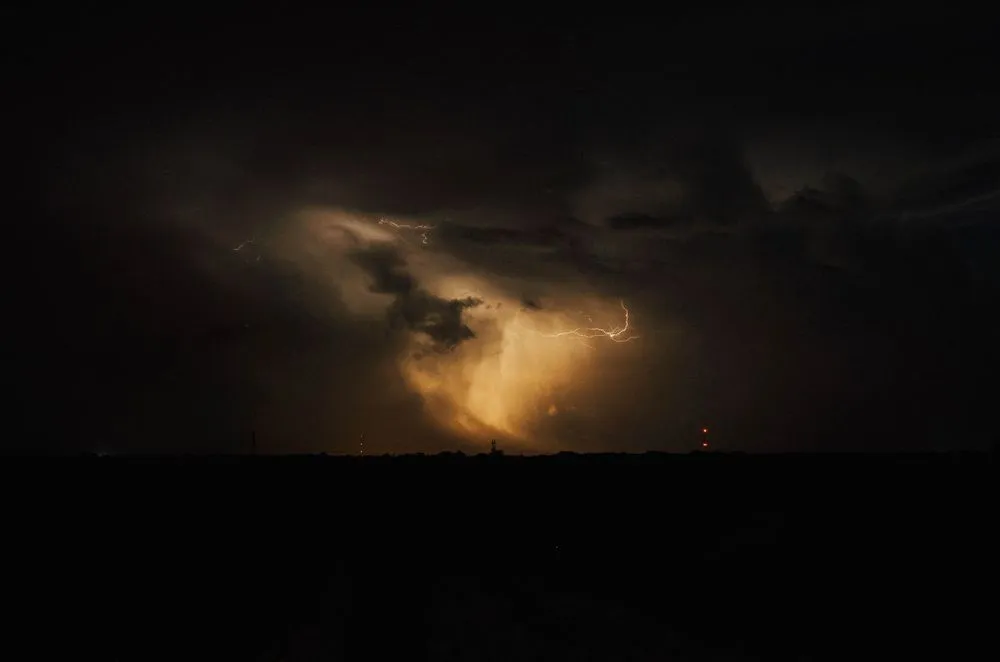
On the Texas coast, wind and water arrive together — but insurance treats them as separate perils.
Wind damage and flood damage may fall under different policies with different deductibles and different claims processes. Knowing which policy covers which part of a hurricane loss, before the storm, is one of the most valuable things a coastal homeowner can do.
Deductibles also deserve a careful read. Your policy will state the amount you pay yourself before coverage begins, and that amount applies to each claim. In Texas, windstorm and hail claims often carry a separate deductible from other claims, and it may be structured differently from your standard deductible — for example, as a proportion of the home's insured value rather than a fixed amount. Read both deductible provisions in your policy so a storm claim does not surprise you. Also check whether your policy offers endorsements that change water damage coverage: a sewer and drain backup endorsement, an endorsement that extends mold coverage, or one that covers foundation water damage can change the outcome of a claim significantly. Endorsements are optional additions, so they only help if they were in place before the loss occurred — you cannot add coverage after the water is already in the house.
Texas weather also creates regional differences worth noting. Gulf Coast and East Texas homes face hurricane rain, tropical moisture, and high humidity, which means storm-driven rain and flood exclusions come up often. North Texas homes face hail and severe thunderstorms, where roof damage and the storm-created-opening rule matter most. West Texas homes face freeze events, where burst pipes are the leading water damage claim. Central Texas faces flash flooding along creeks and low-water crossings. Your agent should be able to tell you which risks dominate in your area and which endorsements match them. Homeowners in Lubbock, Amarillo, Denton, Tyler, and Killeen can find local water damage guidance on our city pages: Lubbock, Amarillo, Denton, Tyler, and Killeen.
Documenting a Claim: Photos, Moisture Logs, and Drying Records
Documentation is what turns a water damage event into a provable claim. Adjusters decide based on evidence, not on how bad the damage felt, and the strongest claims are the ones with a complete paper trail from the first hour onward. Start before cleanup begins: photograph and video every affected room, the water as found, water lines on walls, the source of the water if it is visible, and every damaged item, including the brand and model where visible. Photograph the exterior too if a storm is involved, especially any roof, window, or siding damage. Take wide shots that show the whole room and close-ups that show detail, and keep the original files with their timestamps intact.
Next, keep the professional records. A reputable water damage crew documents its work as a matter of course: moisture readings taken on arrival, a map of where water traveled inside walls and under floors, daily drying logs showing how readings changed, and final readings showing materials reached their dry standard. Ask for copies of all of it. These records do three things for a claim: they prove the extent of the damage, they show that mitigation was prompt and professional, and they connect any later mold discovery to the original covered event rather than to neglect. If you hire a crew, also keep the written scope of work and every invoice. If you do any temporary repairs yourself, such as tarping a roof or moving belongings, photograph that work too and keep receipts for materials.
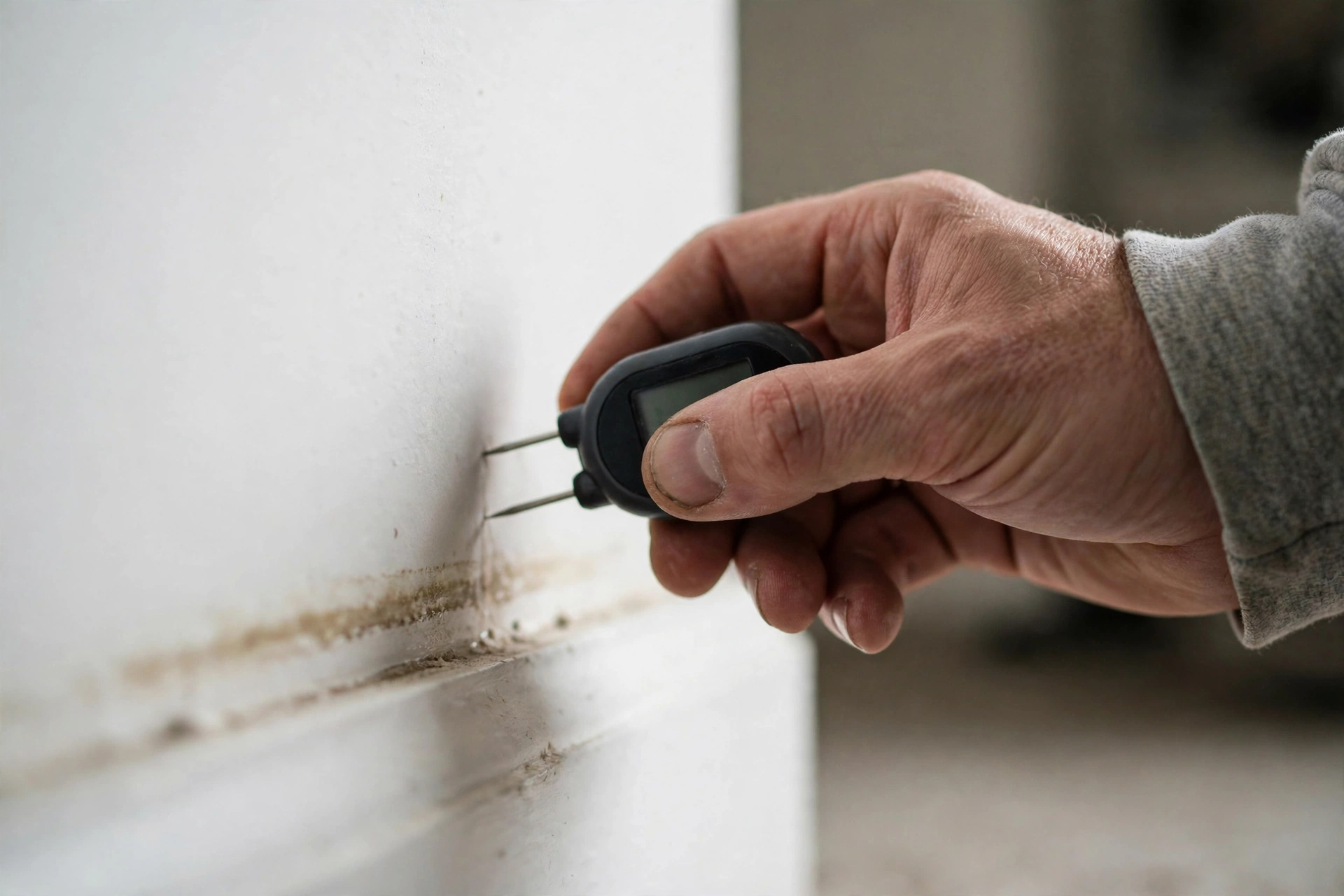
Moisture readings are the backbone of a water damage claim file.
A meter reading proves water was present inside a wall or floor, even when the surface looks dry. Ask the crew for their moisture map and drying logs, and keep them with your claim — they are the evidence that links the damage to the event.
Finally, keep a simple claim diary. Note the date and time you discovered the water, when you stopped the source, when you called your insurer, who you spoke to, and what they said. Note when the crew arrived and what they did each day. If you must stay elsewhere while the home is dried, keep receipts for those arrangements and note why the home was uninhabitable. Do not throw away damaged materials until the adjuster has inspected them, or until you have thoroughly photographed them from every angle. Discarded evidence is the hardest kind to claim, and adjusters are entitled to ask to see what was damaged.
Claim steps
Filing a Water Damage Claim, Step by Step
A claim goes more smoothly when the steps happen in the right order. Work through them in sequence, and keep a record of each one:
1. Stop the water and make the home safe
Shut off the main water valve for a burst pipe, turn off the failed appliance, or cover a storm-damaged roof opening if it is safe to do so. If water has reached outlets or the breaker panel, stay out of the water and do not touch electrical equipment. Safety comes before documentation and before any call.
2. Document everything before cleanup
Photograph and video the damage as found, as described in the documentation section above. This record is much harder to reconstruct after extraction and drying have begun, so take the time now even though the urge is to start cleaning immediately.
3. Arrange emergency mitigation
Call a professional water damage crew for extraction and structural drying. Insurers expect prompt mitigation, and delayed drying can turn a manageable claim into a mold problem and a coverage dispute. Keep the crew's moisture map, drying logs, and invoices for the claim file.
4. Report the claim promptly
Call your insurer or agent and report the loss as soon as practical. Have your policy number, the date and time of discovery, a brief description of what happened, and the mitigation steps already taken. Note the claim number and the name of every person you speak to.
5. Meet the adjuster with your file ready
When the adjuster visits, have your photos, moisture records, drying logs, invoices, and claim diary organized and available. Walk the adjuster through the damage and point out anything hidden, such as water inside a wall cavity shown on the moisture map. Ask what additional documentation they need and what the next steps and timelines are.
6. Review the settlement before accepting it
Read the adjuster's estimate carefully and compare it against your own records and the crew's scope of work. If something is missing — a room, a material, a drying charge — ask about it and provide the supporting record. If you disagree with the outcome, ask about the insurer's review or appraisal process, and check your policy for the dispute procedure it provides.
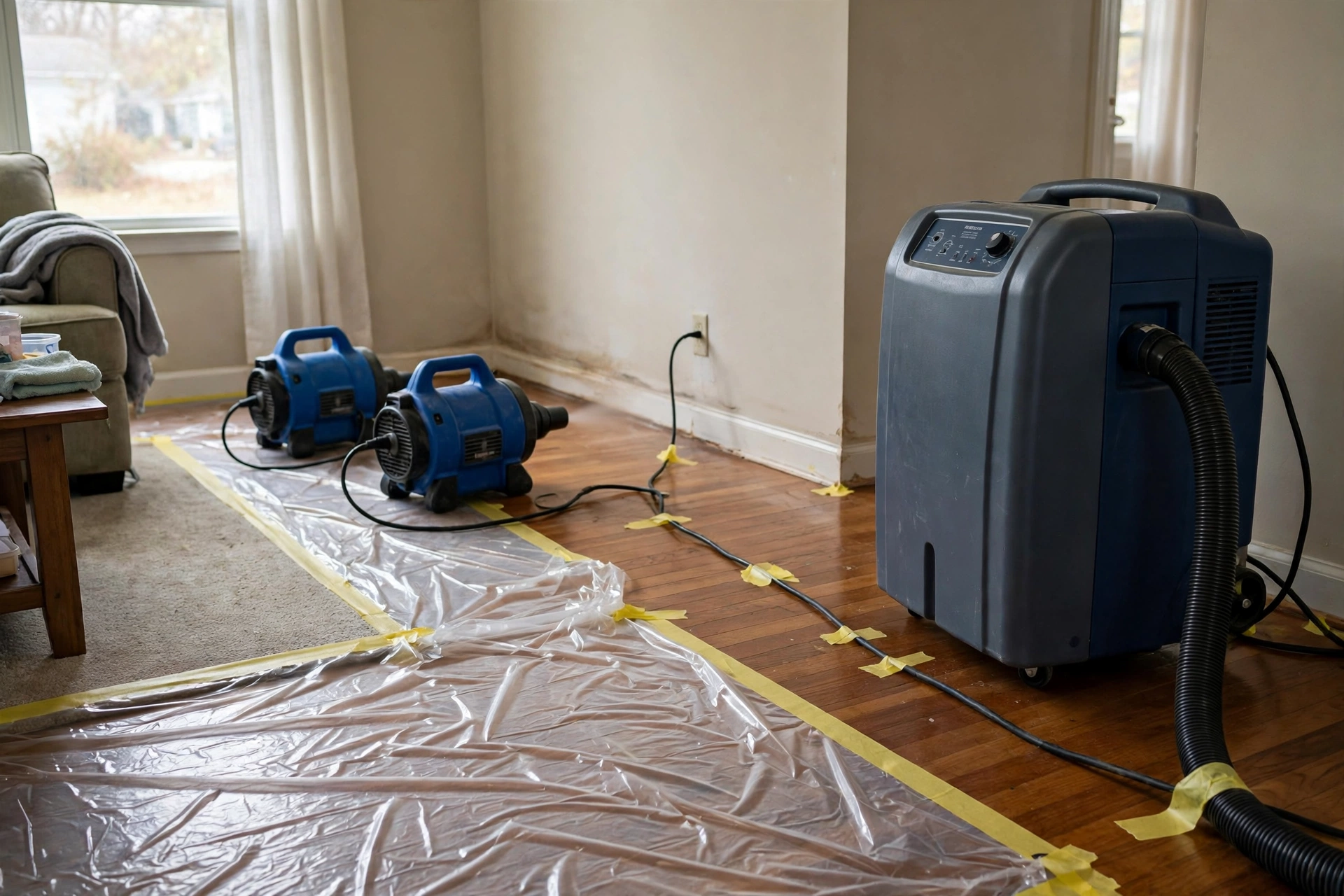
Professional drying is both mitigation and evidence.
The equipment dries the structure to a verified standard, and the drying logs prove to your insurer that the work was done promptly and completely. Never let that question delay emergency mitigation: document first, then dry, then argue about paperwork.
Avoid these
Mistakes That Hurt Water Damage Claims
Most denied or reduced water damage claims are not denied because the policy is unfair — they are weakened by avoidable mistakes in the first days after the loss:
Waiting to act
Every day standing water sits, it soaks deeper and mold risk grows. Insurers view delayed mitigation unfavorably, and a claim filed weeks after discovery invites questions about how much of the damage was caused by the delay rather than the event. Act on the first day, even if the adjuster cannot visit for a while.
Cleaning up before documenting
Throwing away soaked carpet, cutting out wet drywall, or discarding damaged belongings before photographing them removes the evidence the adjuster needs. Photograph first, keep damaged materials until inspected, and only then dispose of what cannot be saved.
Guessing about the cause
Telling the insurer a confident story about what failed, before a plumber or roofer has checked, can backfire if the evidence points elsewhere. Report what you observed, not a conclusion: when you found the water, where it was, and what you did. Let the professionals determine the failure.
Ignoring the policy until a loss happens
Reading your policy for the first time while standing in a flooded living room is too late to add an endorsement or a flood policy. Review your coverage, exclusions, endorsements, and deductible provisions once a year, and ask your agent about gaps before storm season or freeze season.
Assuming flood coverage you do not have
Many Texas homeowners discover only after a flood that their policy excludes rising water. If you live near any waterway, bayou, or floodplain, confirm in writing whether you hold a flood policy and what it covers. Do not rely on a verbal assurance from years ago.
Skipping the follow-up
A claim is not finished when the check arrives. Confirm that drying reached verified standards, that the repair scope matches the damage, and that any mold discovered later is reported promptly with the original claim file attached. A second, undocumented problem months later is far harder to connect to the original loss.
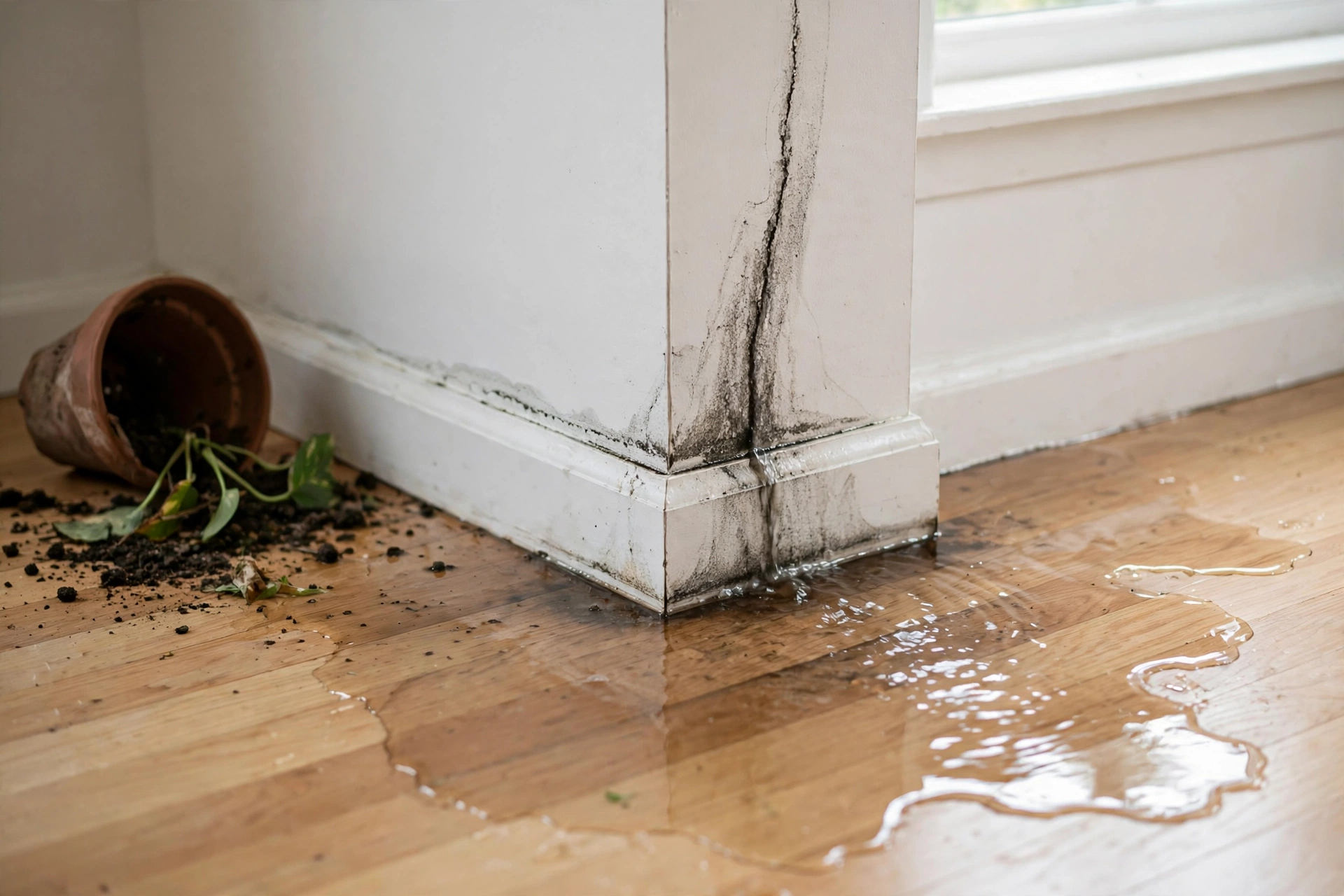
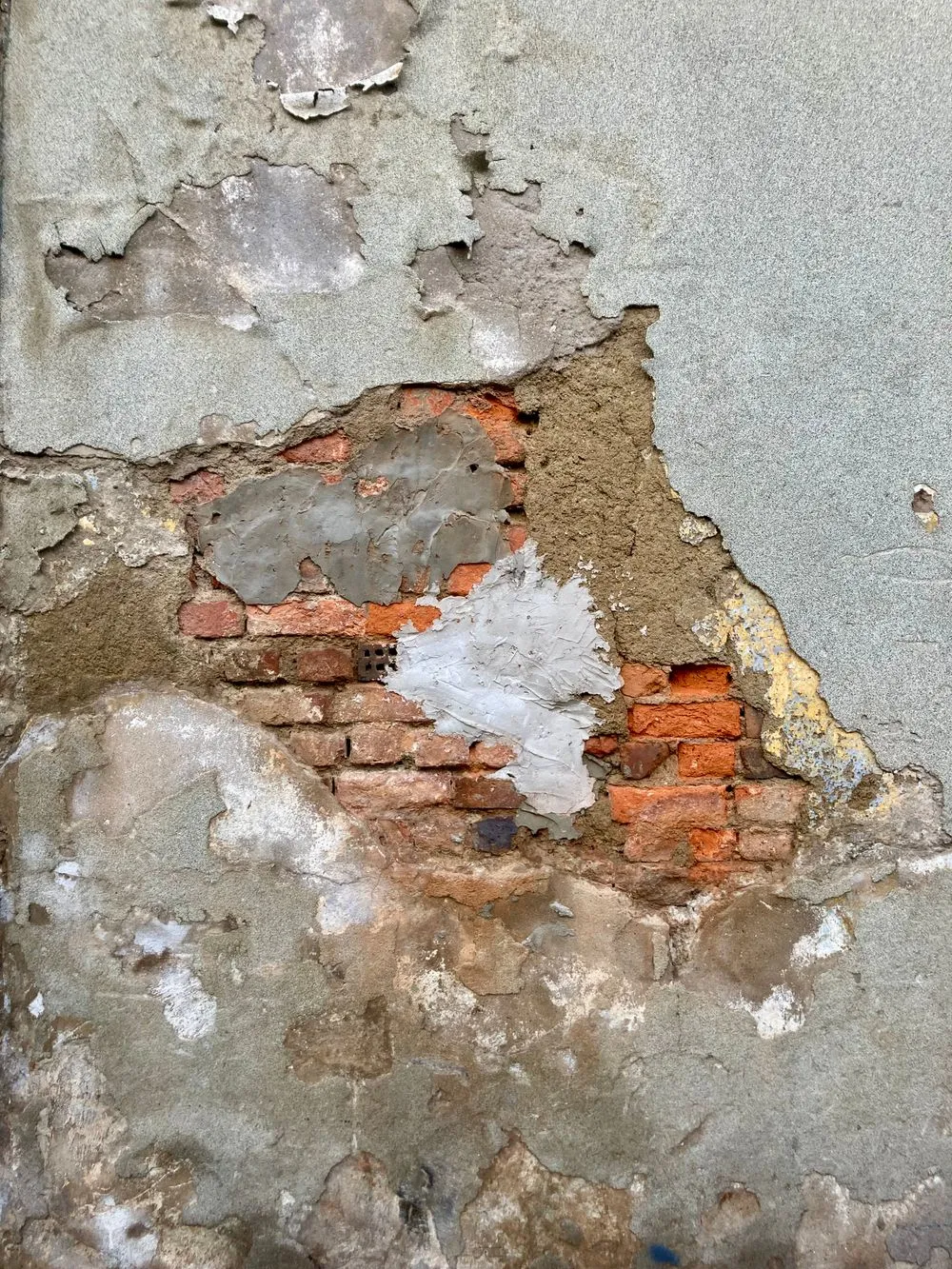
Long-neglected damage looks like this: layers of deterioration that built up over time.
When an adjuster sees this pattern — rot, staining, and repeated exposure — a gradual-damage exclusion is likely to follow. Regular maintenance and early repair are what keep a sudden event clearly sudden in the eyes of a claim file.
Ask your agent
Questions to Ask Your Insurer or Agent
Take this list to your next policy review. The answers tell you exactly where your coverage ends — before a loss tests it:
Does my policy cover sudden and accidental water discharge, and what exclusions apply to it? Ask for the exact wording, not a summary.
Do I have a sewer and drain backup endorsement, and what does it cover? If not, ask what adding one would change.
How is mold coverage treated in my policy, and is there a sub-limit? Ask whether mold from a covered event is treated differently from mold from other causes.
Do I have flood insurance, and if so, through which program? Confirm the policy is active, what it covers, and whether its waiting period has passed.
How are my deductibles structured? Ask separately about the standard deductible and any windstorm or hail deductible, and how each one applies to a claim.
Is windstorm and hail coverage on my main policy, or through TWIA? Coastal homeowners should know which carrier handles a wind claim and what that carrier's deadlines are.
What are my duties after a loss? Ask about mitigation requirements, reporting deadlines, and what documentation the insurer expects from you.
What endorsements would close my biggest gaps? Ask about foundation water damage, extended mold coverage, and any endorsement relevant to your home's age, construction, and location.
The best time to ask these questions is before the storm, not after it.
A ten-minute call with your agent now can reveal a missing endorsement, an inactive flood policy, or a deductible structure you did not expect — all of which are fixable before a loss, and none of which can be fixed after one. And if water damage has already happened, call (866) 316-5715 for professional extraction and drying while your claim is underway.
Important disclaimer: This page is general information about Texas homeowners insurance, not insurance advice and not a promise of coverage for any particular loss. Policies differ by carrier, form, endorsement, and location, and only your own policy wording and your insurer's determination decide a claim. When in doubt, read your policy and ask your agent or insurer directly.
FAQ
Homeowners Insurance and Water Damage FAQs
Does homeowners insurance cover water damage in Texas?
Often, but only for certain kinds of water damage. A typical Texas policy covers sudden and accidental events such as a burst pipe or storm-driven rain through a storm-damaged roof, while excluding flooding from rising water, gradual leaks, and maintenance failures. Your own policy wording and any endorsements decide the outcome, so read your policy and ask your agent rather than assuming coverage.
Is flood damage covered by a standard Texas homeowners policy?
No. Rising water from outside the home — rivers, bayous, storm surge, and flash flooding — is excluded from standard homeowners policies. Flood damage requires a separate flood insurance policy through the National Flood Insurance Program or a private flood insurer. If you live near a floodplain, a bayou, or the Gulf Coast, review your flood coverage before storm season.
What is the difference between sudden damage and gradual damage?
Sudden damage happens without warning, such as a pipe that bursts or a hose that ruptures, and is typically covered. Gradual damage develops slowly over weeks or months, such as a dripping joint inside a wall or a roof that leaked a little at a time, and is usually excluded as a maintenance issue. When the timing is unclear, evidence such as moisture readings, photos, and repair records helps establish which category the damage falls into.
Does homeowners insurance cover mold caused by water damage?
It depends on your policy and on what caused the mold. Mold that results from a covered, sudden water event is often covered, but many Texas policies limit mold coverage, and mold from a gradual leak or a flood is usually not covered. Document the original water event with photos and professional drying records, since that paper trail connects the mold to the covered loss.
What should I document before filing a water damage claim?
Photograph and video the water as found, water lines on walls, the source if visible, and every damaged room and item, before cleanup begins. Keep the crew's moisture map, drying logs, and final readings, plus every invoice and receipt for emergency work and temporary repairs. Keep a diary of dates, calls, and who you spoke to, and do not discard damaged materials until the adjuster has inspected them or you have thoroughly photographed them.
How soon should I report a water damage claim in Texas?
Report it as soon as practical after discovering the damage. Your policy sets its own deadlines, and delays can complicate coverage, especially if the damage worsens while waiting. Prompt reporting, prompt mitigation, and a complete record of what you did and when all strengthen a claim.
Will filing a water damage claim affect my future coverage?
It can. Insurers consider claim history when setting future terms, and a claim may affect your renewal depending on your insurer and your claim history. That is one reason to weigh a small claim carefully: for minor damage, some homeowners choose to handle it without filing. Ask your agent how a claim would be treated before you decide, and never let that question delay emergency mitigation.
Water Damage in Your Texas Home? Call Our 24/7 Dispatch
Connect with a verified Texas pro for emergency water extraction, structural drying, and moisture mapping while your claim is underway.